Family ID for Orphanages and Group Homes in Haryana Guide!
If you live in Haryana or work with Orphanages and Group Homes, you might have heard about something called a PPP Family ID. But what exactly it is, why it matters, and how it works — especially for children in orphanages — can feel confusing. Let’s break it down in a very simple, friendly way.
What Is a Family ID in Haryana?
In Haryana, the government issues something called Parivar Pehchan Patra (PPP) — which means Family ID in English. It’s like a digital family card that holds important details about a family in one place.
Think of it like a library card for your whole family — once it’s ready, you can use it to access many benefits without filling the same form again and again.
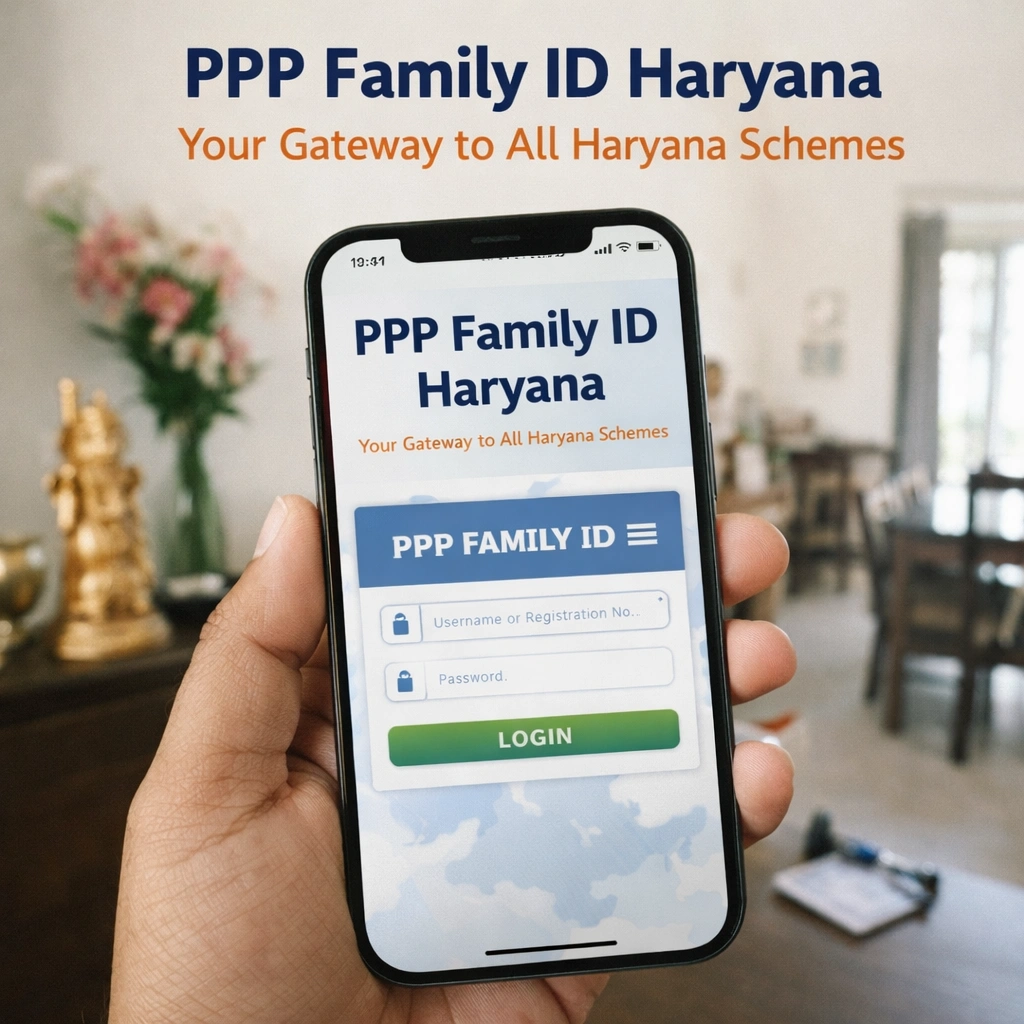
Why Do Orphanages and Group Homes Need Family ID?
Children living in Orphanages and Group Homes often don’t have parents or a traditional family. Still, they are citizens too — and they deserve the same access to government help as everyone else.
So, the Haryana government has introduced ways to issue Family IDs for these kids too:
If a child is in a government‑registered orphanage, the Orphanages and Group Homes can apply for Family ID on their behalf.
The head of the orphanage or caregiver may be listed as the “family head” for the Child’s ID registration.
Once registered, these children can get benefits like food support, health schemes, and education support from the government.
So, even if a child does not have a traditional family, they are not left behind.
What Does the Family ID Contain?
This digital Family ID includes basic information like:
This helps the government know who you are and which benefits you qualify for. It’s stored in a central database so the same information works across many services. During emergencies or financial crises, Family ID can help families get faster support. You can read more in Quick Access to Government Relief Funds Using PPP Family ID.
Benefits of Having a Family ID
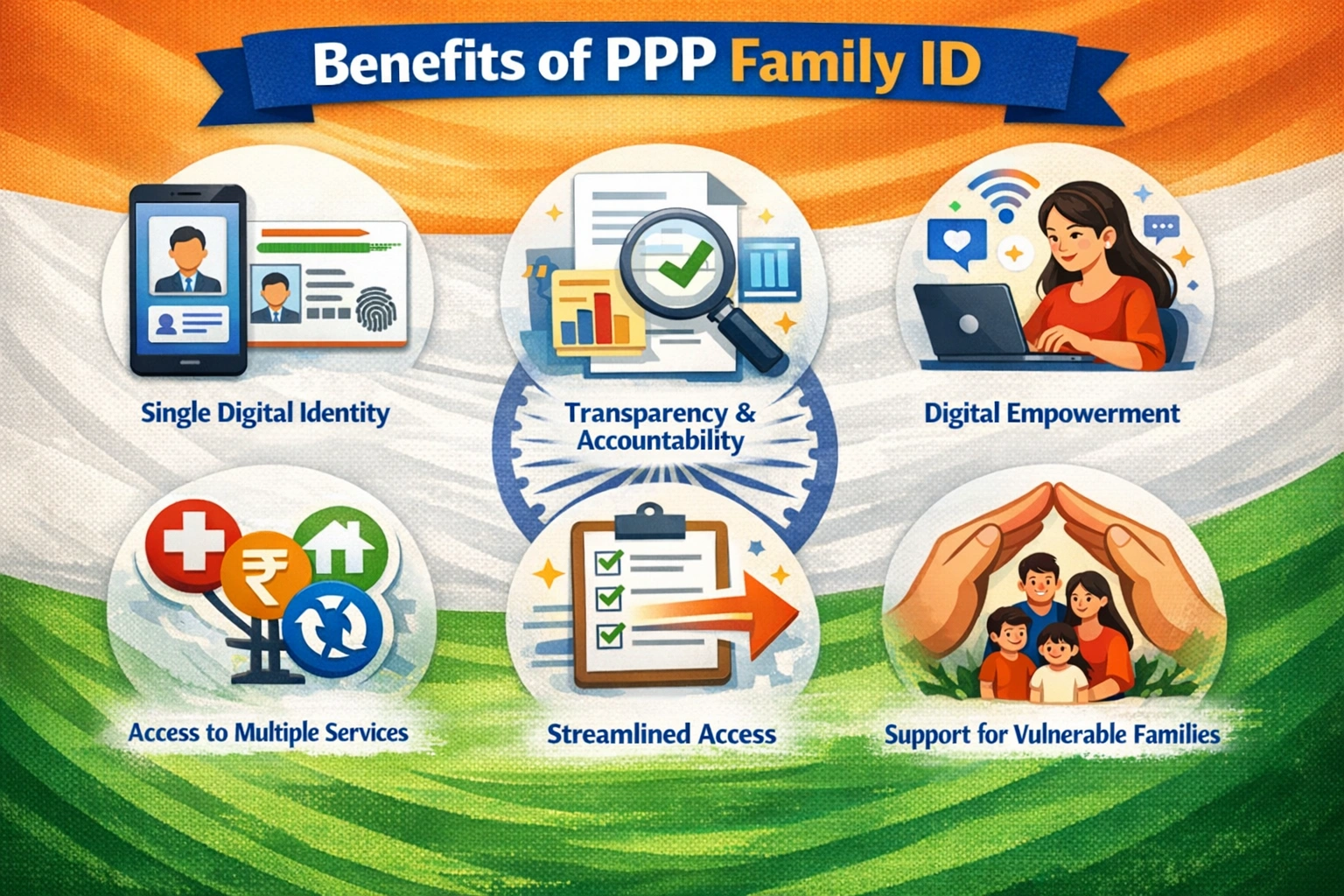
Having a Family ID in Haryana makes life easier. Here’s how:
Government schemes — like old‑age pensions, scholarships, or ration cards — can automatically find eligible people using the Family ID.
Normally you would fill many forms for each benefit. With Family ID, the government already has your verified details, so you don’t have to repeat them.
Because your family information is stored digitally and verified, help reaches right away without long delays.
How Orphanages Can Register Children for Family ID
Here’s a simple step‑by‑step Process for Orphanages and Group Homes:
Orphanage must be officially registered with the Haryana government.
Collect required documents (like Aadhaar or proof of residence for each child).
Visit the PPP Family ID portal or a local Common Service Centre (CSC).
Enter details of the child and orphanage caregiver.
After verification, the child gets a Family ID with a unique number.

Once the Family ID is ready, it becomes easier to get children enrolled in welfare programs.
Who Can Apply for Family ID in Orphanages and Group Homes
The Family ID system in Haryana ensures even children without traditional families can access government benefits. Eligible applicants include:
Documents Required for Family ID Registration for Orphans
To register children in orphanages or group homes for a Family ID, the following documents are generally needed:
Aadhaar Card – If the child has one.
Birth Certificate – Proof of date of birth.
Orphanage Registration Certificate – Confirms that the institution is recognized by the government.
Caregiver ID Proof – Identity verification for the head of the orphanage or caregiver handling the registration.
Government Schemes Available Through Family ID
Once registered, children can access several government schemes, such as:
Education Scholarships – Financial aid for schooling and higher education.
Health Schemes – Access to medical services and insurance programs.
Nutrition Programs – Food and dietary support for children in care.
Child Welfare Schemes – Programs that provide additional safety, education, and social support.
Where to Apply for Family ID in Haryana
Orphanages, group homes, and caregivers can apply for Family ID through the following channels:
Simple Tips You Should Know
Always keep the Family ID number safe — you’ll need it often.
If details change (like a child moves to a new home), update the Family ID on the portal.
If you face trouble online, visit a local Saral Kendra or CSC for help.
Importance of Family ID for the Welfare of Children in Orphanages
The Family ID system is not just a simple government program — it plays a huge role in the well-being of children in Orphanages and Group Homes. By providing a formal identity, it gives these children a chance to access better healthcare, education, and social services that they might otherwise miss out on.
In the absence of parents, the Family ID helps orphanages step in as caregivers who can receive benefits on behalf of these children. This system ensures that children receive basic rights and services just like any other child in the state.
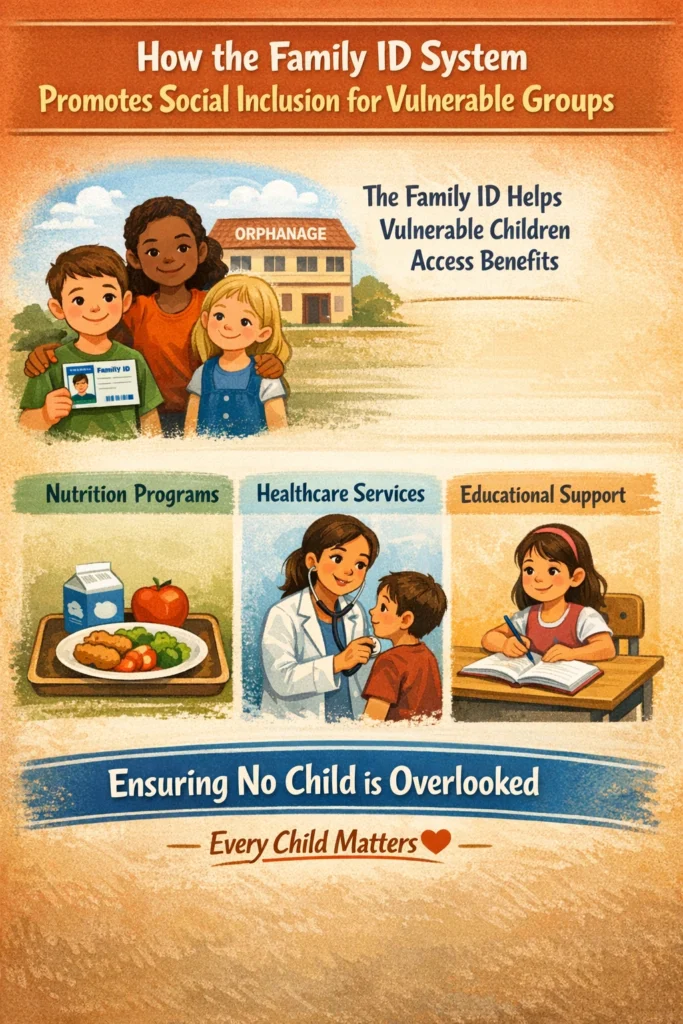
How the Family ID System Promotes Social Inclusion for Vulnerable Groups
Children in orphanages and group homes are often some of the most vulnerable members of society. The Family ID ensures they’re not left out of government assistance programs. It provides them with a unique identity that helps in claiming their rightful entitlements and integrating them better into society.
With the Family ID, even without a traditional family, these children are included in important government schemes like:
It ensures that no child is overlooked, regardless of their background or circumstances.
Frequently Asked Questions
Final Thoughts
A Family ID (Parivar Pehchan Patra) is a powerful tool for making life easier in Haryana — especially for those who don’t have parents or a home, like kids in Orphanages and Group Homes. It ensures everyone gets fair access to government support and benefits — without the stress of paperwork.
If you’re helping an orphanage or group home register for Family IDs, start early and follow the steps carefully — it can really change lives.


