
Keeping Your Data Safe: How Secure Is the Family ID System?
You’ve heard about the PPP Family ID (for example, Parivar Pehchan Patra in Haryana) and maybe your family has one or is thinking of getting one. It’s supposed to make your life easier — welfare schemes, subsidies, registrations, everything‑in‑one. But one big question comes up: how data safe is all the information you’re sharing? Let’s chat about what the system says, what the real risks are, and what you can do to keep your data safe. Family ID centralizes your household data for welfare benefits — but is it secure? Here’s what you need to know.
What the system says about security and privacy
Here’s a quick look at what the official sources tell us:
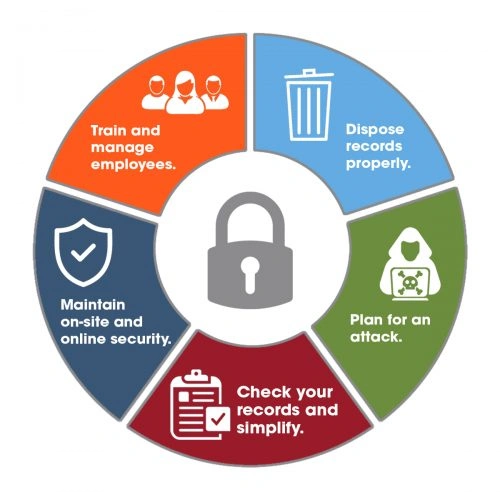
So yes — on paper, there are safeguards to keep your Family ID data safe.
What are the real risks you should know about
Even with safeguards, no system is perfect. Here are some red flags and risks to be aware of:
In fact, a credible report found that the API of the Family ID portal could be accessed in ways that exposed family data (names, Aadhaar, bank info) to anyone who knew how to dig.
While enrollment might be claimed as voluntary, in reality many services and benefits get tied to the Family ID — which means you might have to provide it if you want certain services.
Because the system merges many kinds of personal data (income, bank, family structure), there’s a chance of “profiling” — where a family is labelled in one way and benefits or access could get affected.
Sometimes users may not know exactly what part of their data is used, who sees it, and for how long.
If your data is wrong (income too high, family size wrong), that might affect you. And misuse means someone could impersonate or claim benefits incorrectly using your data.
Risks vs Safeguards
| Security Feature | What it Protects | Notes / Limitations |
|---|---|---|
| OTP Verification | User identity | Mobile must be active |
| Aadhaar Linking | Family member authentication | Errors affect benefits |
| Data Encryption | Storage of sensitive info | Real-world hacks possible |
| Access Controls | Only authorized departments | Unauthorized access reported |
What you can do to protect yourself
Friendly tips you can act on today to keep your Family ID data safe:
Log into your Family ID portal and check: is your Aadhaar linked correctly? Is the mobile number correct? Are all family members listed correctly?
Keep your mobile number and Aadhaar updated — this helps in verification and alerts if something odd shows up.
Get a copy of your Family ID number and basic details — store them safely offline or in a secure place.
Be cautious about sharing your Family ID number, Aadhaar number or mobile OTPs — don’t provide them to unknown or unofficial persons.
If you notice something wrong (a family member missing, income wrongly entered, bank account not yours) — start a correction request. These systems usually allow Family ID updates.
Ask questions: Which departments have access to my data? Is the data encrypted? How long is it retained?
Keep abreast of what happens if your state migrates to a newer system — understand what happens to your old data and your rights.
Learn More About Family ID Updates and PPP Schemes
If you are interested in understanding more about Family ID updates, and how they can be utilized for better access to government welfare, PPP schemes ,read further about how updates can be managed online and the benefits these schemes provide to families. You’ll also learn how to manage your Family ID details in the context of changes like moving to a new state or major family events.
FAQs
Final thoughts
The Family ID system can be a real benefit: less paperwork, quicker access to schemes, and one place for family data. But you’re right to ask about security and privacy. On paper, there are protections, but real‑world issues exist. The best way to keep your data safe is by staying informed, checking your details, and acting fast if something seems off. Think of it like locking your house: the locks are there, but you still check the doors.


