
Family ID Guide: What It Is and Why It Really Matters Today!
When major life events like the death of a family member or adoption occur, it’s crucial to update your Haryana Family ID. This unique identification number links your family to government welfare schemes and services, ensuring benefits are properly allocated and reducing duplicate claims.
Keeping your Family ID accurate helps maintain access to benefits and ensures your family’s information stays updated in official systems. As highlighted in the Family ID Guide, if changes in family structure (like a death or adoption) aren’t reflected, it can lead to issues with schemes and benefits.

What Happens When Someone Dies or Is Adopted — How to Update Your Family ID
As explained in the Family ID Guide, keeping your Family ID accurate ensures access to benefits and updated family records. Let’s look at two common life events and how to handle them to keep your Family ID and connected schemes in sync.
If a Family Member Dies
When someone listed under a Family ID passes away, you should:
Report the death officially (via local civic body, registrar, etc.).
Update the Family ID record so that the deceased member is removed or marked.
Check any schemes they were part of: if the deceased was a beneficiary (old‐age pension, widow pension, etc.), you’ll likely need to inform the scheme office so benefits stop or transfer if eligible.
Tip: Keep copies of the death certificate, Family ID updated printout, and scheme reference numbers. If you don’t update, you risk wrongful payments or your family might miss out.
Once you’ve updated individual records, check our guide on Merge Two Units in PPP Family ID to combine your Family IDs seamlessly.
If a Child Is Adopted or Newly Added to the Family
When a child is adopted (or you add a new member), you should:
registered (via the relevant Act or adoption authority).
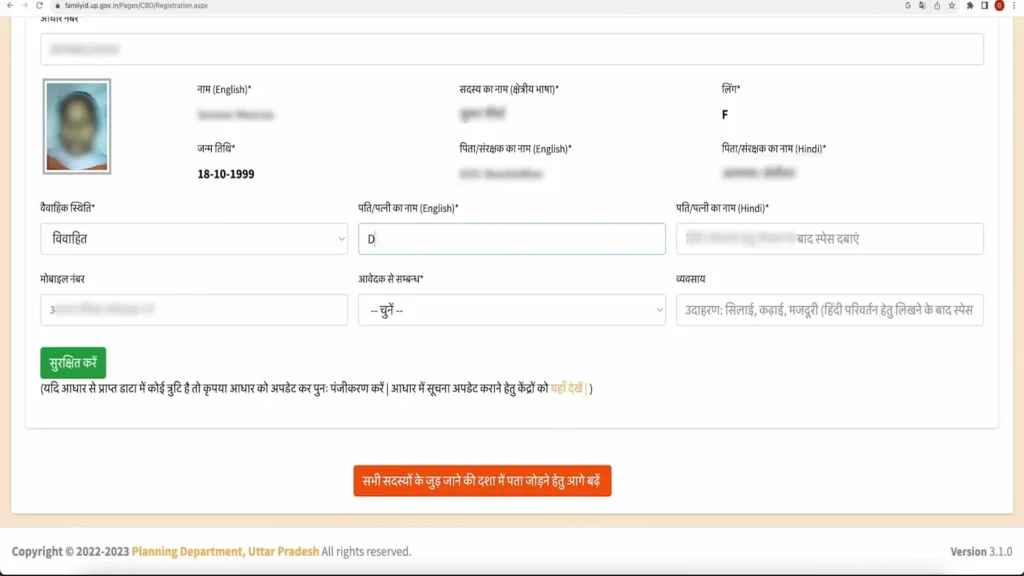
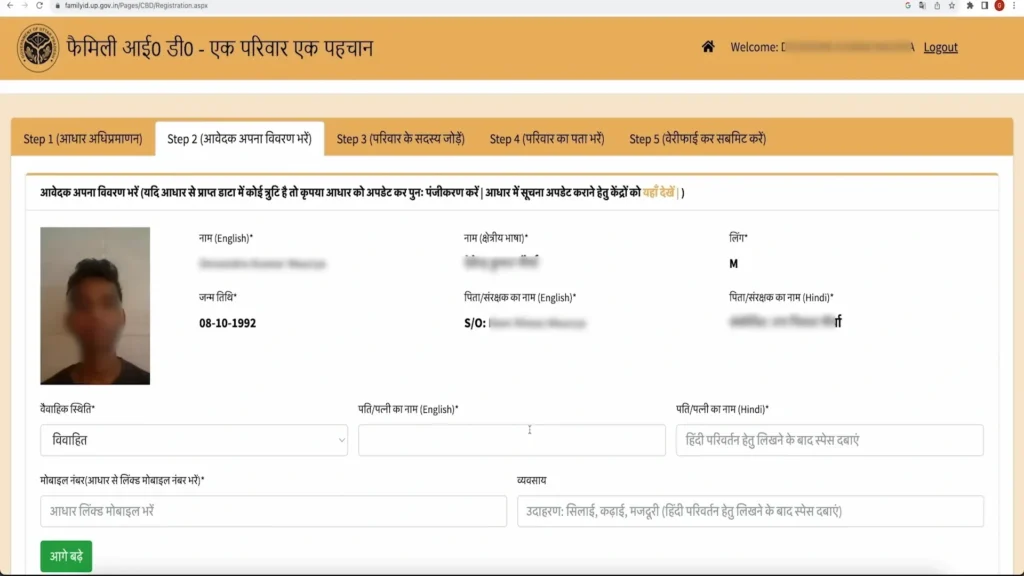
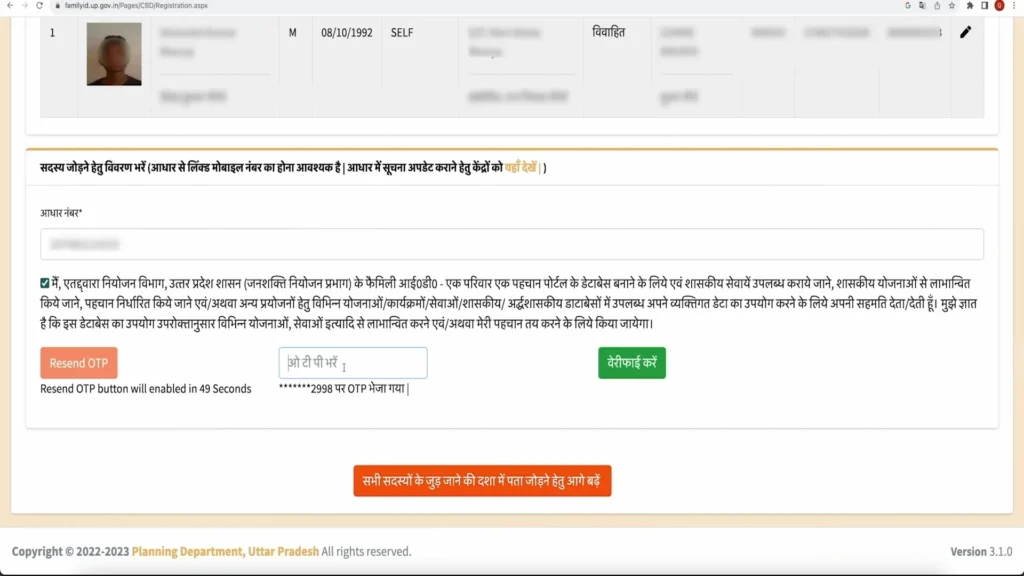
add the adopted child’s details (name, age, Aadhaar or other ID, relation). In many schemes, the family’s eligibility changes when a dependent is added.
with one more dependent, the household size may change, income per head may change, and scheme eligibility may shift (positively or negatively).
Tip (Family ID Guide): Confirm the portal or local Family ID office allows “family member addition” and get a confirmation receipt that the ID has been updated.
Why This Matters for Your Schemes
Because most welfare schemes use the Family ID Guide or link with it, if your family structure isn’t correct, you might lose out on benefits or face scrutiny. On the flip side: updating ensures you get new benefits you now qualify for—like adding a child might allow certain child‑benefit schemes, or removal of a deceased member might open up eligibility for others. It keeps your data clean and compliant, so when the government audits or changes rules, you won’t be caught off‑guard.
Quick Checklist for You (to Do Today)
Get the death certificate / adoption registration.
Visit your Family ID Guide portal / local office and request update: “member died” or “new member added.”
After updating, print/download the updated family detail sheet.
Check each scheme you are part of (pension, scholarship, subsidy etc.) and confirm they’ve updated your status.
Keep a folder (physical or digital) of these: Family ID update receipt, certificates, scheme notices.
Review once a year: ensure nothing changed that you missed.
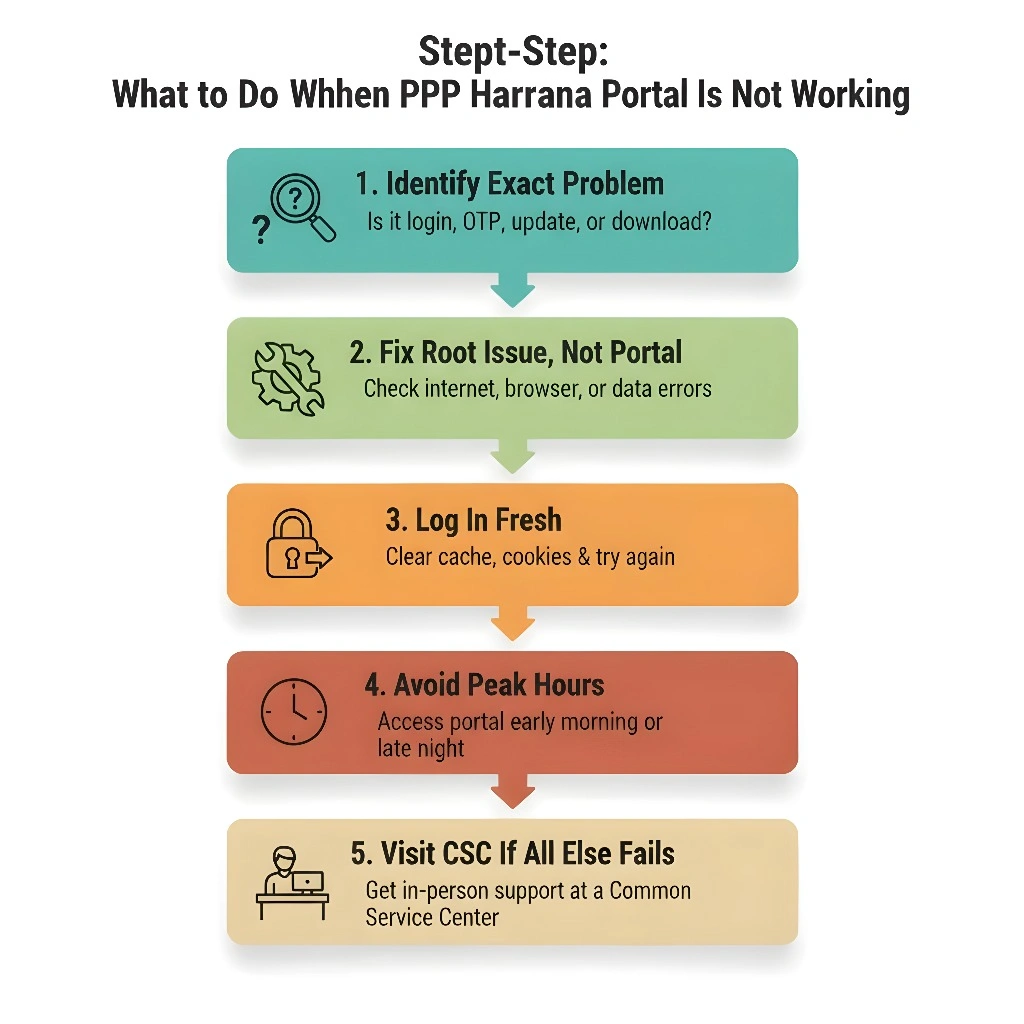
Common Mistakes to Avoid
FAQs
Final Thoughts
Think of the Family ID Guide like the digital family ledger for government services. Whenever the family entries change — someone dies, someone is adopted, someone leaves or joins — you’re updating that ledger. It helps keep your access to schemes smooth, your data accurate, and your benefits aligned correctly.
If you treat it like updating your membership file (for your family club), it becomes much less overwhelming.


