
Hidden Costs Rural Families Face in Family ID Registration
Hey there — let’s talk about something often missed: the extra costs that families in rural or remote areas face when registering or updating their Family ID. It’s not just the form fill‑up; there are travel, paperwork, time, and opportunity costs that add up. Knowing them helps you plan better and avoid surprises.
What Are the Hidden Costs?
Travel & Transportation Costs Families living far from offices or help‑centres often have to travel long distances to get to the registration point. This means:
1.Paying for transport (bus, shared vehicle, maybe even hiring a private vehicle)
2.Time spent travelling away from home or field work
3.These travel costs, small as they seem, can be a big burden when income is low.
Accommodation & Food if Overnight Stay Needed
If the registration centre is in a town and you arrive late, you may need to stay overnight. That means extra costs for accommodation or food, and it may affect children’s or elders’ routines.
Paperwork & Document Costs Getting required documents ready may involve:
Printing or photocopying forms and IDs
1.Getting attestations or signatures from local authorities
2.Possibly paying for document verification
3.All these little charges rinse out money.
Lost Income or Work Opportunity
When someone takes time off farming, labour or daily work to visit the registration centre, that means lost wages or crops or work hours. This is a real cost, especially in remote rural areas.
Internet or Digital Access Costs
If your state allows online updating, remote households may still need to travel to a centre with internet or pay for mobile data, printouts, etc. In areas with weak connectivity, this becomes a burden
Follow‑Up Visits & Waiting Time
Sometimes the process requires multiple visits: first for application, then verification, then final updating. Each visit brings more transport/time costs, and waiting can mean more time lost.
Why These Costs Matter
How Rural Families Can Access Support Services for Family ID Registration
In many cases, remote families face additional challenges when accessing services related to Family Has Two IDs. However, there are a few ways to get help, especially when traveling to registration centers is difficult.
Mobile Registration Camps:
Some states organize mobile camps or outreach programs that travel to rural areas to assist families in registering for or updating their Family IDs. These services bring convenience by reducing travel costs and making it easier for families to apply without having to leave their villages.
Local Government Assistance:
Local government offices often provide support for families in rural areas. This can include helping with paperwork, offering advice on required documents, or even assisting with transportation for those who can’t afford it. Check with your local government office for available assistance programs.
Online Platforms and Digital Assistance:
If your area has internet access, online registration and updates can be a game-changer. Some states offer digital platforms where you can apply for a Family ID or update details without traveling to an office. If digital literacy is a concern, some help centers may assist with the process remotely.
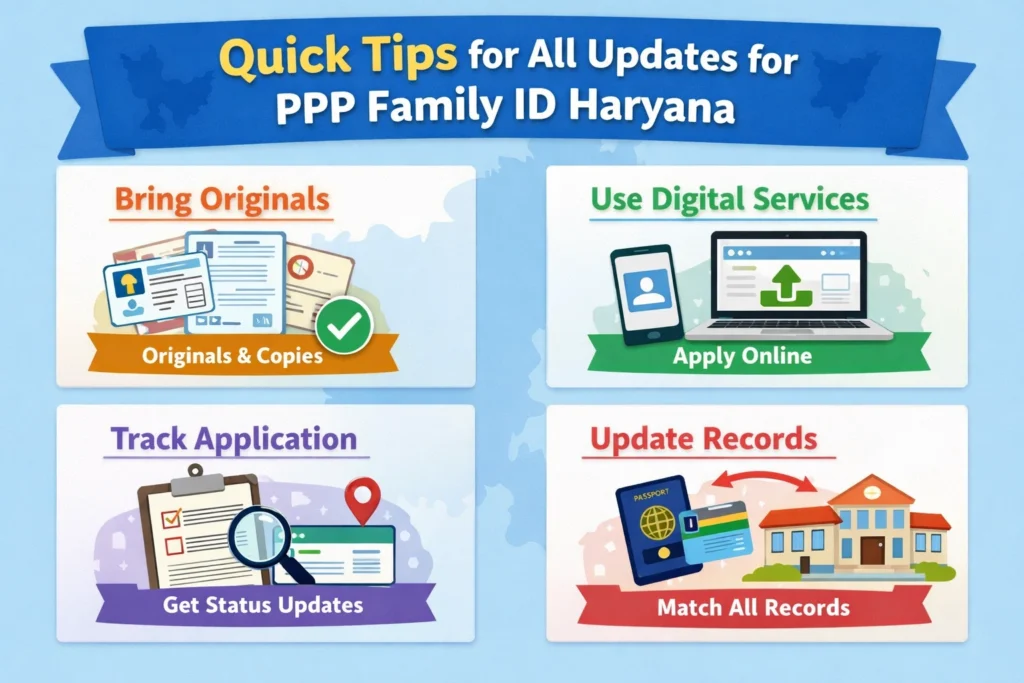
Tips to Minimize Hidden Costs Rural Families
FAQs
Conclusion
In conclusion, while the Family ID system is meant to make government services more accessible, rural and remote families face several Hidden Costs Rural Families that can make the process difficult. Travel, paperwork, lost income, and waiting time are just a few of the burdens these families face. However, by utilizing available support programs, using online platforms, and planning visits carefully, rural families can reduce these costs and ensure their Family ID is up to date for all government benefits. Stay informed about local resources and take advantage of any help available to make the process easier.


