
Why Family ID System Excludes Families and How to Fix It
The PPP Family ID system, implemented in states like Haryana, is intended to simplify access to welfare benefits by providing transparency and better targeting. However, errors in this system, such as incorrect income details, misreported family size, or even individuals being mistakenly marked as deceased, have caused many eligible families to be unfairly excluded from benefits. The Family ID System Excludes Families issue can cause eligible households to be wrongly left out of crucial government welfare, relief, and support programs. In this section, we’ll explore why these exclusions happen, how they impact families, and offer step-by-step solutions to help you fix these errors and regain access to the benefits you deserve
What kinds of exclusion or discrimination are we seeing
Here are some examples of problems people are facing Family ID System Excludes Families issues.:
Families whose income was incorrectly recorded high, so they were declared ineligible for welfare, even though they were poor. Many families were wrongly flagged as having high income and denied benefits.
Older people or widows who were “declared dead” by the system, so their pensions stopped. One 102‑year‑old man had to stage a wedding procession just to prove he was alive when the algorithm marked him dead.
Cases where family size or member count was wrong, or property/vehicles were wrongly attributed, which changed eligibility status. In one district, property or vehicle entries caused many BPL families to lose their status.
In some cases, the exclusion seems to affect vulnerable groups more—those in remote areas, older persons, daily‑wage earners—who may not have the capacity or time to correct the data. Even families like orphaned or single-parent households can face exclusions
Why these problems happen
The Family ID System Excludes Families uses large databases, automatic linkages (income tax, property records, vehicle ownership) and sometimes algorithmic rules to decide eligibility. Mistakes in data then amplify.
If someone’s family member has moved, died, or income changed, but the Family ID System Excludes Families record wasn’t updated, the system may reflect outdated data and cause exclusion.
Data entry mistakes: spelling errors, name mismatches, duplicate records. Those errors can trigger automatic exclusion even if the family is eligible.
In rural or remote areas, the cost/time to correct records may be high, so many eligible families stay excluded. Learn how Family ID works even without Aadhaar or updated Aadhaar.
Thresholds that rely on income, family size, age, etc., can be rigid—so small errors push a family from eligible to non‑eligible instantly.
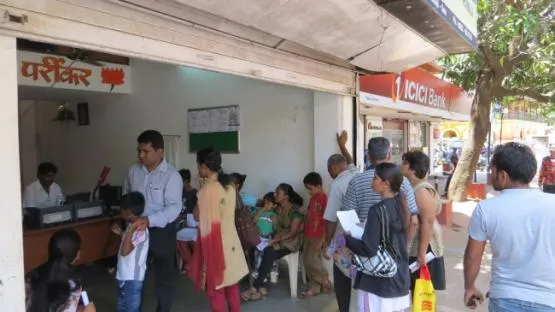
Step-by-Step: How to Fix Family ID Errors
If you or someone in your Family ID System Excludes Families & unfairly excluded from receiving benefits due to Family ID errors, follow these steps to fix it:
Check Your Family ID Details
Start by logging into your Family ID account on the official portal, or visit your local Common Service Center (CSC). Review all the details associated with your Family ID, including:
1.Income information
2.Family size and member list
3.Property/vehicle records
4.Current status (alive or deceased)
Ensure that all the details are up to date and correct. If you find any errors, make note of them and move on to the next steps.
Raise a Grievance
Once you’ve identified any discrepancies in your Family ID records, raise a grievance. Many states provide grievance redressal portals for the Family ID system. Through these portals, you can lodge your complaint regarding the incorrect information.
Gather Proof
To support your grievance, gather the necessary documents that prove your claim:
1.Income certificate (if income is incorrectly reported)
2.Death certificate (if a family member was wrongly marked as deceased)
3.Aadhaar records
4.Property records or vehicle documents (if they are wrongly attributed)
These documents will help the authorities correct the data in the system and restore your eligibility for benefits.
Visit the Service Center
If the online process proves difficult, visit your local CSC or welfare office with your documents and reference number. You will need to provide all the required paperwork and explain the discrepancies in person. The staff will assist you in filing a correction request.
Follow Up
After submitting your grievance, keep a record of the complaint, including the reference number and date of submission. Follow up with the service center if no action is taken within a reasonable time. If your grievance is not resolved, escalate the matter to local representatives, such as a Welfare Inspector or your local MLA.
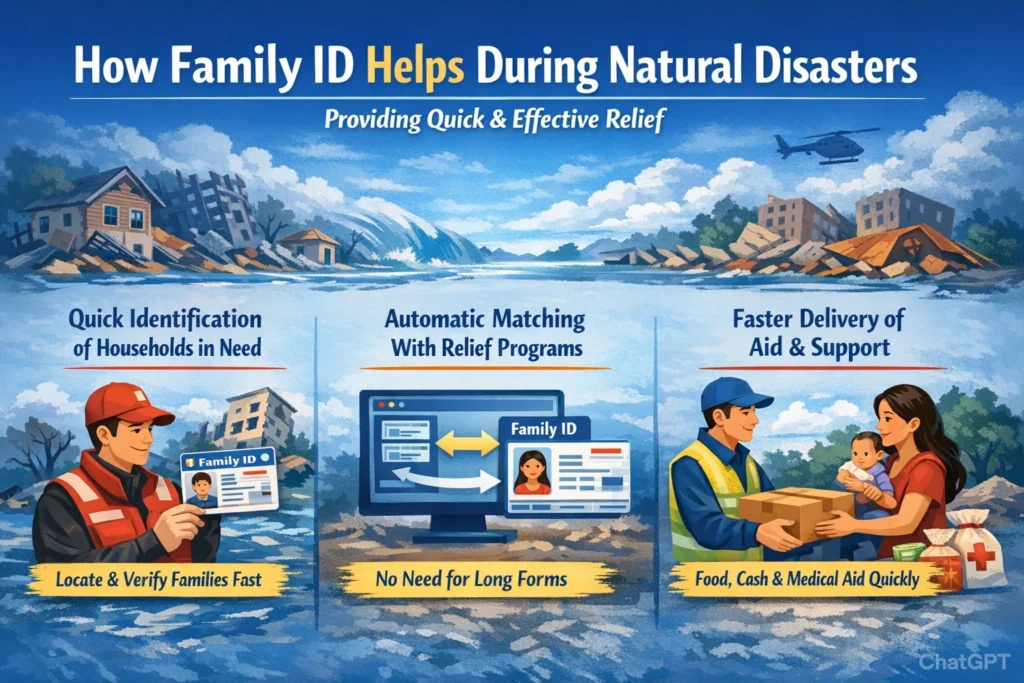
Read Here : With one verified ID, families can access temporary government relief funds much faster and with less hassle. This article explains how it works in a simple way.
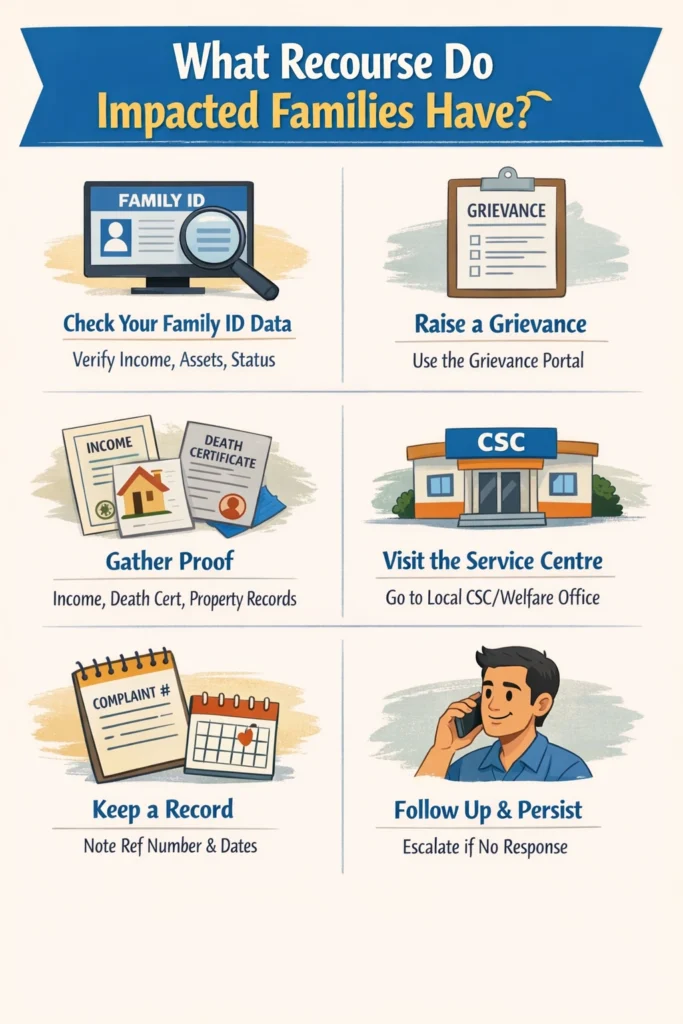
What recourse do impacted families have
If you or your family have been excluded unfairly, here’s what you can do:
Log in (or visit the local CSC) and check the data the system has—income, family size, assets, status (alive/dead), vehicles, property.
Many states have grievance redressal portals for the Family ID System Excludes Families scheme.
If you were wrongly excluded, gather documents: income certificate, death certificate for a member who passed, Aadhaar records, property records. Use these to request correction.
If online process is tough, go to your local CSC or the welfare office with your documents and reference number.
Keep a record of your complaint, reference number, date. If no action is taken, you might need to escalate (local MLA/Welfare inspector).
Many families report long waits or being passed around. It’s important to keep following up until the issue is resolved.
How to protect yourself in advance
FAQs
Final thoughts
The Family ID System Excludes Families can prevent eligible households from receiving benefits. While the system is powerful and designed to help, data errors or automated rules can misclassify your family. The good news is you can fix these issues by checking your details, keeping your Family ID updated, and acting proactively. Treat your Family ID as your family’s profile card—make sure it’s accurate, and if your name disappears from a list you should be on, take immediate action to restore your eligibility.


