
PPP vs Aadhaar vs Ration Card: Which Matters Most? Explained
If you’re trying to understand the difference between Family ID PPP vs Aadhaar vs Ration Card, and which one really matters for government services, don’t worry — it can be confusing! All three are important in their own way, and they serve different purposes.
This guide explains them in plain language, tells you when you need each one from PPP vs Aadhaar vs Ration Card , and gives you tips so you don’t get stuck.
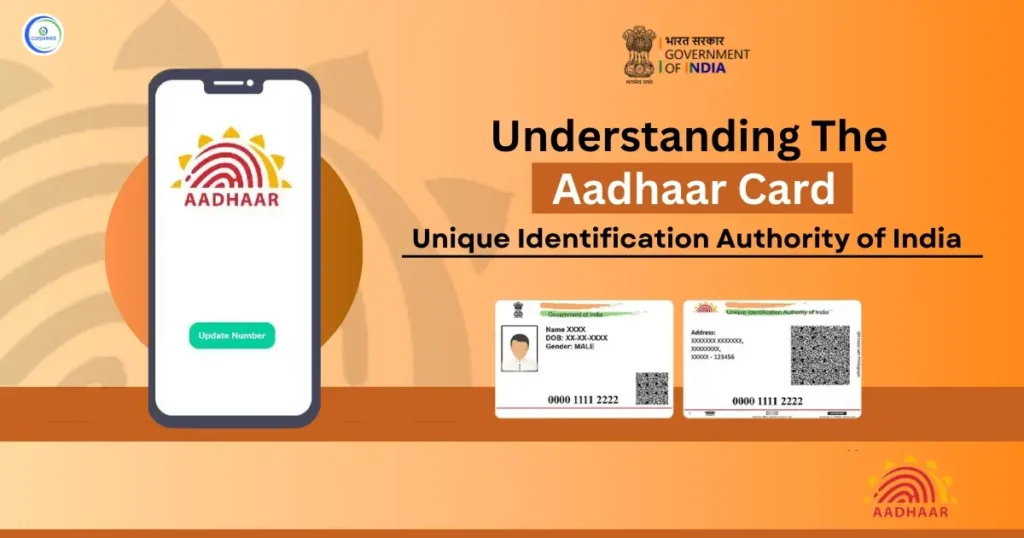
What Is Aadhaar? (Your Personal ID Card)
Aadhaar is a 12‑digit unique identity number given to every resident of India. It contains:
Your name
Your address
Your biometric data (fingerprints and iris scan)
Your demographic details
Aadhaar is mainly used for proof of identity and authentication when you access services like opening a bank account, getting a SIM card, getting a passport, or linking subsidies. It confirms who you are.
Aadhaar represents individuals, not families — that’s the key difference in the PPP vs Aadhaar vs Ration Card comparison, where PPP focuses on families and ration cards support household benefits.
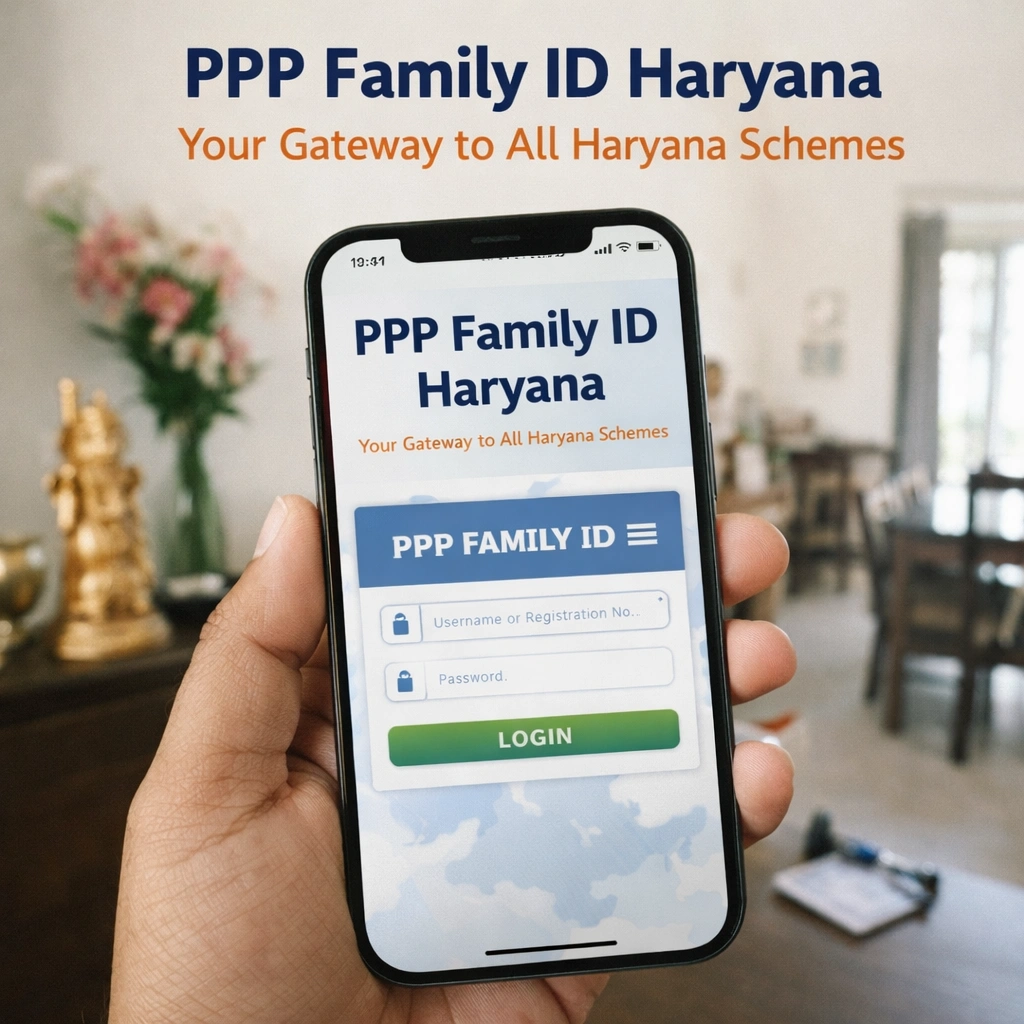
What Is a PPP Family ID? (Your Family’s Identity)
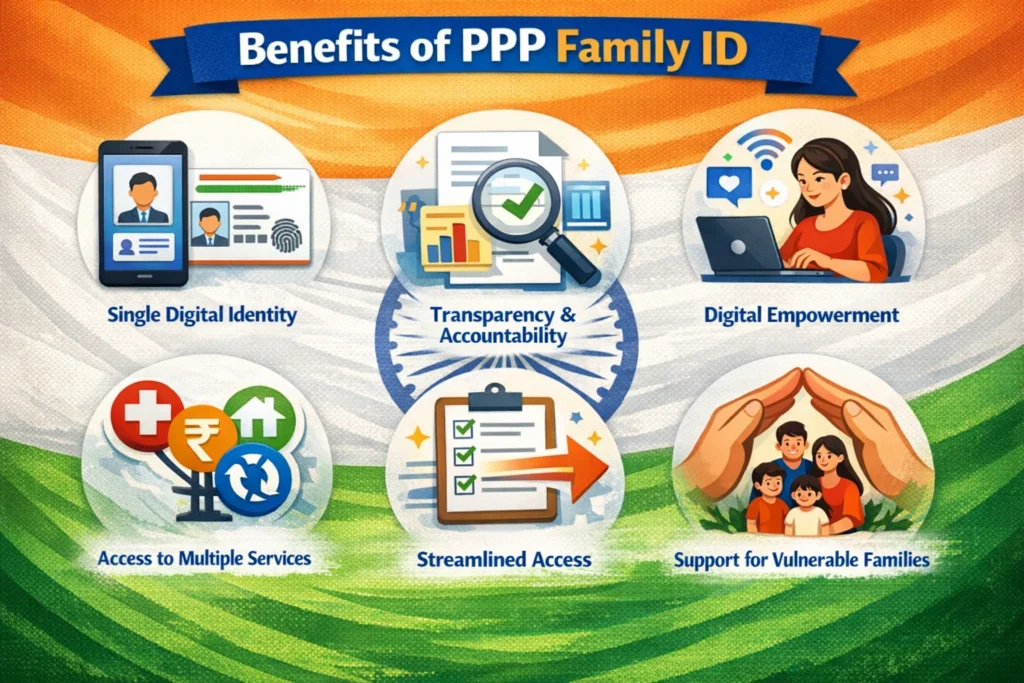
PPP stands for Parivar Pehchan Patra. It’s a special ID created for families, not individuals.
Instead of just one person, PPP stores details about an entire family — names, age, income, address, and more — as one unit.
PPP is mainly used to:
Track all family members under one ID
Know the total family income
Check eligibility for multiple government welfare schemes as a family unit
This is why PPP is more useful than Aadhaar when dealing with benefits for the whole household, like family pensions or state welfare programs.
What Is a Ration Card? (Food Security and Subsidies)
A Ration Card is a document issued by the state government to help families obtain food and essential commodities at subsidised rates. It works through the Public Distribution System, which gives monthly food grains based on eligibility.
There are different types of ration cards based on your economic status (like BPL or PHH), and each permits a certain amount of grains every month.
Ration cards also serve as proof of identity and address in many cases, but they are not as universal as Aadhaar for identity verification
Which One Matters Most? Let’s Break It Down
Which one from PPP vs Aadhaar vs Ration Card truly matters most depends on your goals and situation. Let’s break it down clearly so you can understand the difference and make the right choice.
Aadhaar Matters Most When:
You need to prove your identity anywhere (bank, telecom, travel, government forms).
You want to link your ID for subsidies or biometric verification.
You are updating or creating formal records for yourself.
Aadhaar is fundamental for every adult individual because it verifies who you are.
PPP Matters Most When:
You want a family‑level identity for welfare schemes.
PPP is becoming essential in states where schemes are family-based. In the PPP vs Aadhaar vs Ration Card comparison, PPP captures all family members under one umbrella and reduces repeated data entry across government services.
Ration Card Matters Most When:
Change Head of Family in PPP Family ID is an important update to keep family records accurate and ensure uninterrupted access to government schemes and benefits, including food security programs supported through ration cards.
You need subsidised food grains and essentials under the Public Distribution System.
You want documents to prove your family’s economic status.
Can PPP, Aadhaar, and Ration Card Be Linked Together?
Yes, these IDs can be linked together for better service delivery, especially for welfare programs. For instance:
Aadhaar can be linked with PPP for verifying family members’ eligibility for government schemes.
Aadhaar and Ration Cards can be linked to simplify food distribution and subsidies.
Many government schemes now require linking Aadhaar with PPP Family ID to ensure that all family members are accounted for in the system.
Linking these IDs ensures smooth access to services, reduces paperwork, and improves efficiency in welfare programs.
Key Differences Between PPP, Aadhaar, and Ration Card
| Feature | PPP Family ID | Aadhaar | Ration Card |
|---|---|---|---|
| Purpose | Identifies an entire family for welfare schemes | Identifies an individual person | Provides subsidised food and essentials |
| Issued By | State government | Central government (UIDAI) | State government |
| Covers | Whole family members | Single individual | Household for food distribution |
| Main Use | Welfare schemes and family data | Identity verification and authentication | Public Distribution System (food grains) |
| Data Included | Family members, income, address | Biometrics, name, address | Family details and economic category |
| Required For | State welfare programs | Banking, SIM card, passport, subsidies | Subsidised food and essentials |
Common Mistakes People Make With These IDs
Not Updating Aadhaar: Failing to update Aadhaar after a change of address, name, or family details can result in mismatched records and missed benefits.
Ignoring PPP Family ID Updates: Not keeping the PPP Family ID updated with changes like marriage, income changes, or change of address can result in loss of eligibility for certain welfare schemes.
Confusing Ration Card Eligibility: Many people assume they can continue using the same ration card even after changes in their family’s economic status. Regular updates are necessary to continue receiving the correct benefits.
Forgetting to Link IDs: Not linking Aadhaar with other IDs (PPP, Ration Card, Bank Account) can complicate accessing government services.
Simple Way to Remember the Difference
Think of it like this: PPP vs Aadhaar vs Ration Card is a comparison of family identification, personal identity, and food security—each serving a different but important purpose.
Each PPP vs Aadhaar vs Ration Card has its own role. One isn’t a full replacement for the other — they work together in different situations.
Tips to Use Them Correctly
Frequent Questions People Ask
Final Thoughts
All three —Family ID PPP vs Aadhaar vs Ration Card — matter, but they play different roles. Aadhaar is your personal identity foundation. PPP Family ID is a modern way to represent your family unit for welfare schemes. Ration Card helps with food security and subsidies.
Using them together properly helps make sure you and your family get all the benefits and services without hassle.


