
Family ID and Electoral Roll: How They Affect Voter Lists
When you hear about Haryana Family ID and Electoral Roll (Voter List), they might seem like two separate things. One is about accessing government schemes, and the other is about voting in elections. But in today’s digital world, these systems are slowly influencing each other — especially because both rely on accurate identity data like your name.
What Is the Family ID and Electoral Roll?
Family ID (PPP) is a unique number given to every family in some states so the government can store household details like income, family members, and eligibility for welfare schemes.
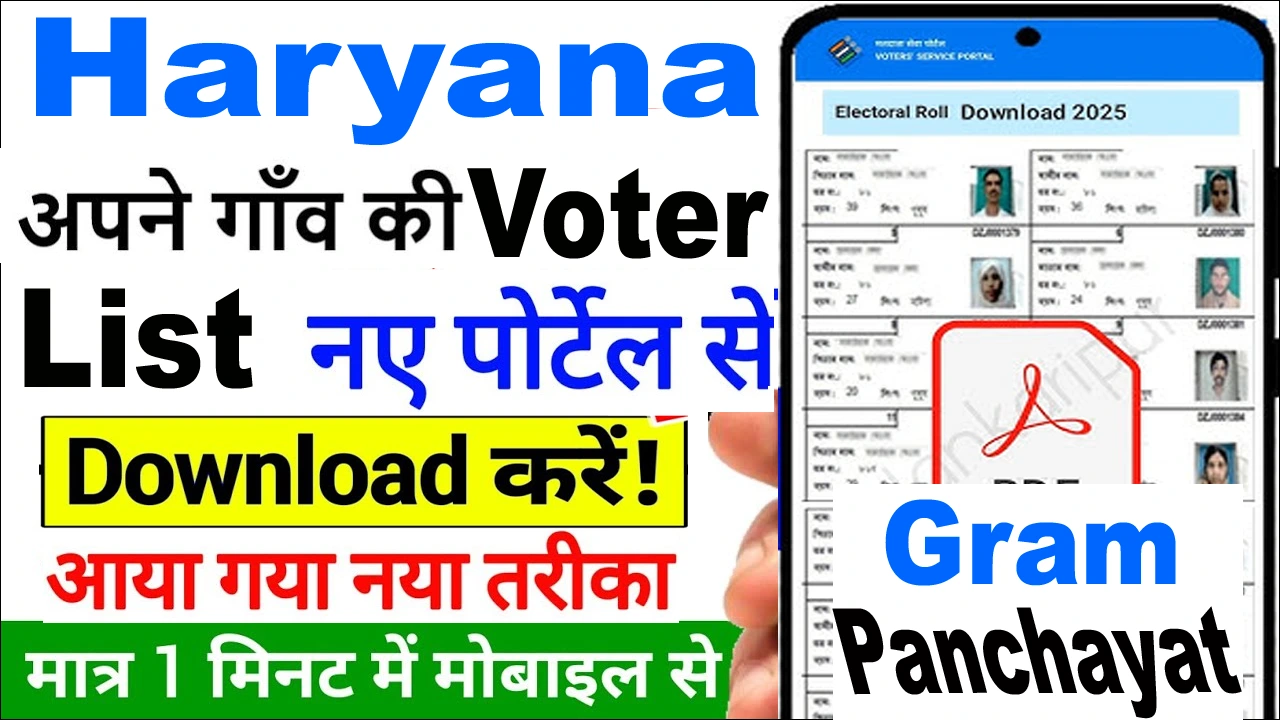
The Electoral Roll is the official list of people who can vote in elections. To be on the voter list, you must be an Indian citizen aged 18 or older and meet certain residency requirements. Electoral roll updates are linked with PPP integration in Family ID
How Identity Data Is Used in Both Systems
Both Family ID and Electoral Roll rely on basic personal data such as your name, address, age, and Aadhaar number. This overlap in data means if one system has errors — like wrong address or date of birth — it can affect the other.
For example, the government has worked on linking identity systems with voter lists to make electoral rolls more accurate and reduce duplicates. This is part of a process called electoral roll purification, where authorities compare identity data to check for errors or missing entries. Regular checks help ensure everyone who should be on the voter list is included and those who shouldn’t be (like duplicates) are cleaned out. (Wikipedia)
Can Family ID Help With Your Voter List Record?
Family ID itself doesn’t automatically put your name on the voter list. But if your Family ID and Electoral Roll data are consistent — especially your name, Aadhaar number, and address — it makes it easier for election officials to verify your identity. That means:
This is especially helpful during large voter roll updates or revisions when electoral officials check identity records to make sure the list is up‑to‑date.
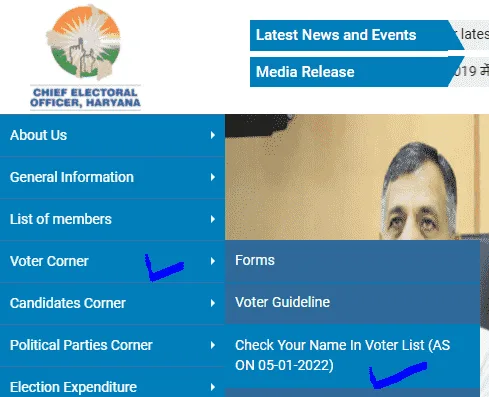
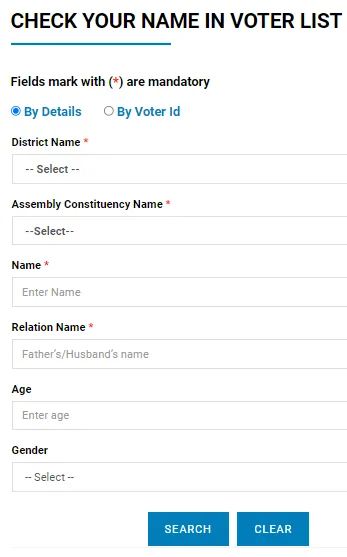
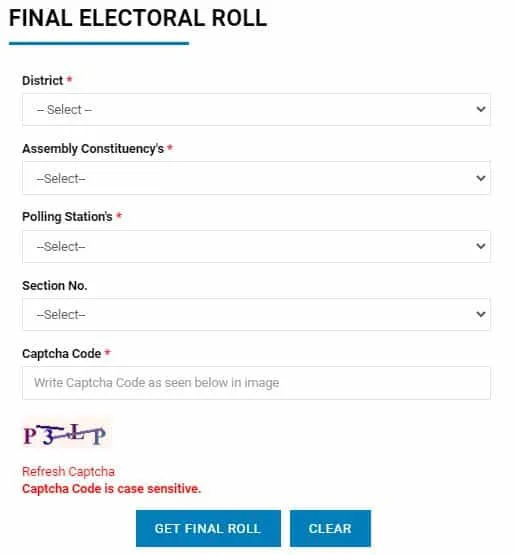
What Happens If the Data Doesn’t Match?
If your Family ID data doesn’t match the data used for voter lists, you might face problems like:
Your name being omitted from the electoral roll
Your voting address being listed incorrectly
Delays in voter registration verification
That’s why keeping your personal information consistent across both systems is important.
How to Make Sure Your Family ID and Voter List Info Are Correct
Here’s what you can do to keep both records accurate:
Check Your Family ID Data Often
Review details like your name, address, income, and family members. If anything changes — like moving to a new house — update it.
Check Your Voter List Entry
Once you turn 18, make sure your name is on the voter list. You can do this online or by contacting your local electoral office.
Keep Identity Details Consistent
Make sure your name, address, and date of birth are the same in Family ID, Aadhaar, and your voter list entry.
Update When Anything Changes
If your address or family details change, update both your Family ID information and your voter list registration as soon as possible.
Visit Local Help Centre if Needed
If you’re unsure how to update these details yourself, a Common Service Centre (CSC) can help with both Family ID and voter list updates.
Do You Need Family ID to Vote?
Not at the moment. Having a Family ID does not automatically mean you can vote. The Family ID and Electoral Roll are separate systems, and voting requires registration on the Electoral Roll. However, accurate identity details in your Family ID can make the Electoral Roll registration process smoother. Also, check for signs of Family ID fraud to protect your voter data.
Why This Matters
Accurate identity data is important for both:
When systems like Family ID and Electoral Roll have consistent and correct data, government services reach the right people and elections reflect the true will of the community.
Frequently Asked Questions
Conclusion
Family ID and Electoral Roll are both important parts of your identity in government systems. They don’t automatically update each other, but keeping them consistent makes life easier — especially when registering to vote or applying for benefits.
Make it a habit to check both records, update them when something changes, and use available help centre if you’re not sure what to do. That way, you won’t miss out on your rights or services.


