
Family ID Data Breach: How to Report & Protect Yourself Fast
Your PPP Family ID contains important personal information about you and your family. It could include names, Aadhaar or other identity details, and address information. If this data gets exposed or falls into the wrong hands, it’s called a Family ID Data Breach — and it can lead to identity theft or other problems if you don’t act quickly.
In this article, I’ll explain what a Family ID Data Breach is, how you can spot if your Family ID data might be breached, and what steps you should take to report it and protect yourself.
Understanding Family ID Data Breach
A Family ID Data Breach happens when private information is unintentionally exposed to unauthorized people. This could be due to weak security, a system error, or even cyberattacks. When personal info like identity numbers or family details are leaked, criminals may use it to commit identity theft or fraud. Identity theft is when someone uses another person’s identity to get benefits, open accounts, or take loans without permission. This can lead to financial loss and stress for you.
Tip: Always think twice before sharing sensitive details like your Family ID number or Aadhaar with anyone unless it’s absolutely necessary and secure.
What Is a Family ID Data Breach and Why It’s Serious
A Family ID Data Breach happens when sensitive personal data is unintentionally exposed to people who should not have access to it. This could include identity numbers, address details, mobile numbers, or family records.
When such information is leaked, criminals may use it for identity theft or fraud. Identity theft means someone pretends to be you to apply for benefits, make changes, or misuse your details for financial or official purposes. This can lead to stress, delays, account misuse, and possible financial loss.
Tip
Never share sensitive information such as your Family ID number, Aadhaar, OTP, or login details unless the source is verified and secure.
How a Family ID Data Breach Happens
A Family ID Data Breach can happen in several common ways.
Fraudsters may send fake SMS messages, emails, or calls pretending to be from a government office or support center. They may ask for your OTP, Aadhaar number, or login details.
If your portal password is too simple or reused across multiple sites, someone can guess it or steal it more easily.
Some users share Family ID details with unverified agents or operators for quick help. That creates a risk if those details are misused later.
Logging into your Family ID account from a public computer or unsecured device can expose your information if the device stores your login details.
Sometimes data can be exposed due to poor security controls, technical glitches, or database leaks from the platform itself.
Printed copies, screenshots, or digital files containing Family ID details may be misused if they are not stored safely.
Signs Your Family ID Data May Have Been Exposed
Here are common early warning signs you may have been affected so you need to safe your data:
Unexpected messages or letters about services you didn’t apply for
Notifications of new accounts created in your name
Benefit applications showing activity you did not start
Change requests for your ID details without your consent
If you see any of these, treat them seriously.
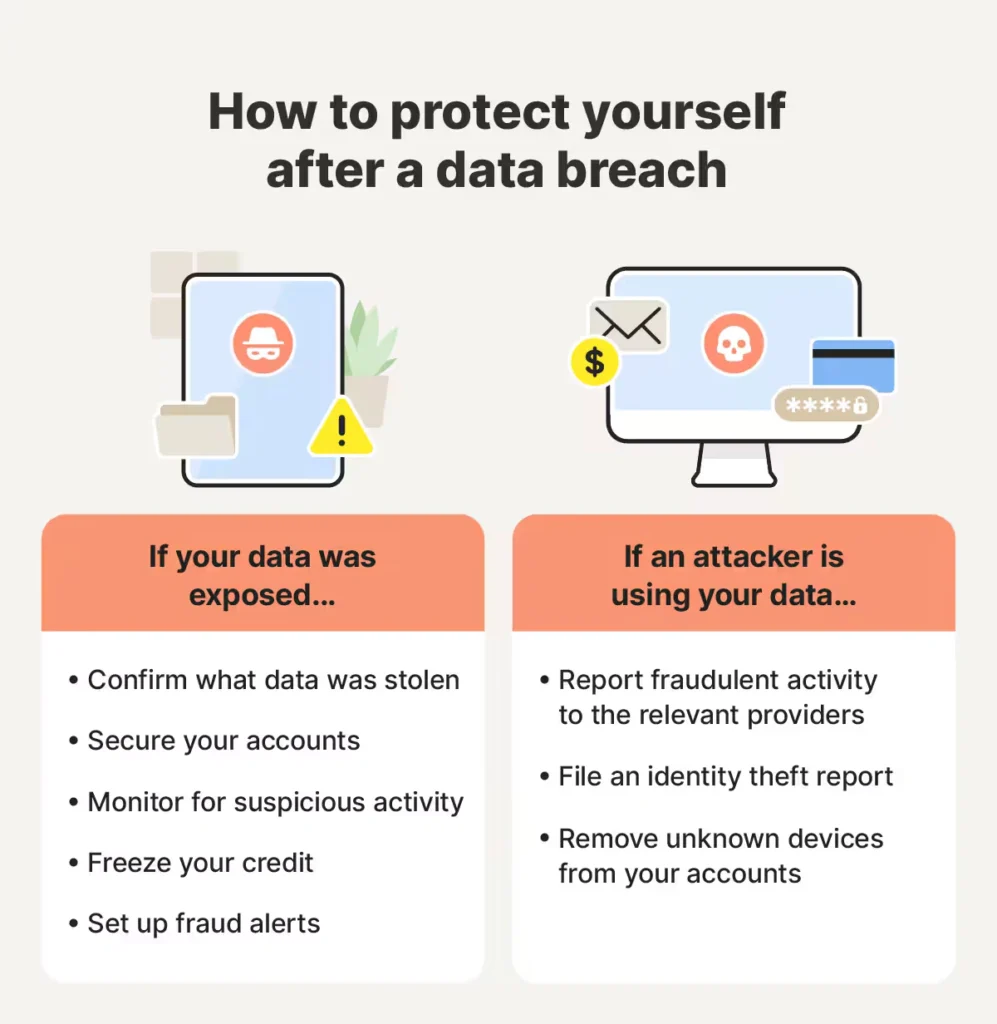
What to Do First If You Suspect a Family ID Data Breach
Don’t panic. First, write down what you noticed and when it began — it helps you organize the next steps and explain the situation clearly when reporting.
If your Family ID belongs to a state government system, contact the responsible department or help desk immediately. Explain exactly what happened and share the details you wrote down.
Reporting quickly helps authorities take steps to block further misuse and secure the system.
Consequences of a Family ID Data Breach
A Family ID Data Breach can create serious problems if the exposed information is misused.
Identity Theft
Someone may use your name or personal information to pretend to be you for official or financial purposes.
Benefit Misuse
Fraudsters may try to use your Family ID information to apply for schemes, redirect benefits, or interfere with your eligibility.
Financial Fraud
If linked identity details are misused, it can lead to fraud attempts involving loans, bank activity, or false financial claims.
Unauthorized Data Changes
Your Family ID profile may be altered without your permission. This can create problems in linked services, benefit eligibility, and future updates.
How to Protect Yourself After a Data Breach
Change Your Passwords Right Away
If your login details were part of the breach, change your passwords on all important accounts like email, government portals, and financial sites. Use strong, unique passwords that are different for every account.
Tip: Use a password manager to help create and remember strong passwords.
Monitor Your Financial and Online Accounts
Keep a close eye on your bank account and any financial accounts you have. Look for strange transactions or unauthorized payments. If you see anything suspicious, contact your bank immediately.
This helps you catch fraud early and stop it before it gets out of control.
Set Up Alerts and Extra Security Features
Many services let you set up alerts for unusual activities. Turn on alerts for:
1.Logins from new device
2.Large transaction
3.Changes to your account setting
4.OTP alerts for all sensitive action
Also, if available, use multi‑factor authentication (MFA) — a second step to confirm your identity — on all your accounts.
Report Identity Theft or Fraud Attempts
If you discover someone has used your identity, take these steps:
1.File a complaint with local law enforcement
2.Report identity misuse to government help desks
3.Inform banks or service providers about the fraud
Filing a report creates an official record and helps you recover from damage faster.
Ask for a Credit Freeze or Fraud Alert
If your ID numbers are part of the breach, you may want to place a fraud alert or credit freeze on your credit file. This makes it harder for someone to take loans or open accounts in your name.
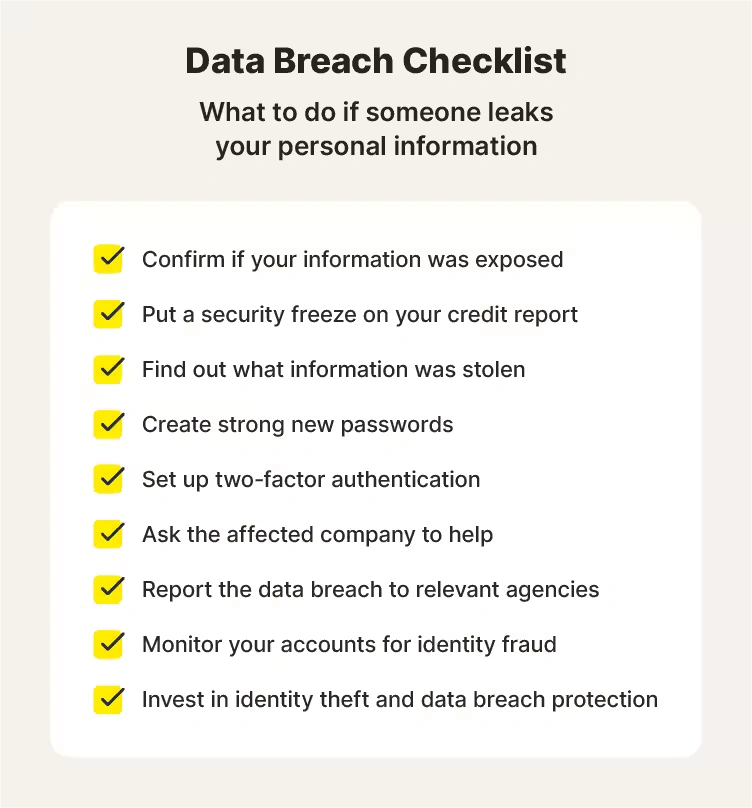
A fraud alert tells companies to double‑check your identity and Safe your Data before approving credit, while a credit freeze stops new accounts from being opened without your permission.
Tips to Avoid Data Breaches in the First Place
These habits reduce your risk of becoming a victim of identity theft or fraud.
Frequently Asked Questions
Final Words
A Family ID data breach can be stressful, but acting quickly and wisely helps you limit damage and protect your identity. Report suspected breaches early, secure your accounts with strong passwords and alerts, and watch for financial or account activity you didn’t start.
Staying alert and taking these steps can make a big difference in protecting yourself and your family from fraud and misuse of personal information.


