
Is Your Family ID Data Safe? Storage, Encryption and Rights
You’ve probably heard about PPP Family ID(Parivar Pehchan Patra) in Haryana, which stores personal details to provide government services. But once the data is submitted, many people wonder if Family ID Data Safe.
“Where is my data stored, who can see it, and Family ID Data Safe?”
Let’s break it down in a simple, friendly way so you actually understand what happens behind the scenes, what protections exist, and what rights you — as a user — have.
Where Is Family ID Data Safe and Stored?
When you register for a Family ID, your details — like names, Aadhaar numbers, address, income, and family structure — are stored in a centralized digital database managed by the Haryana government. This large database is officially called the Family Information Data Repository, and it’s designed to keep all Family ID Data Safe.
To protect this data:
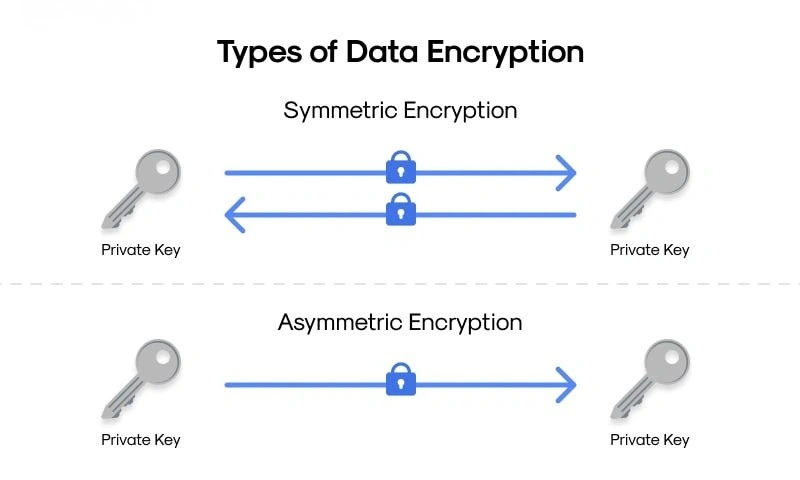
Encryption helps ensure that your personal identifiers aren’t just sitting in plain text on a server. This Family ID data guide shows how your information is protected and kept safe.
Who Can Access Your Family ID Data?
This is something people worry about a lot. Here’s how access is structured:
- Only people with a need‑to‑know role can access your data for official purposes.
- These could be officers who verify data, support service delivery, or manage welfare schemes.
Not everyone in the system can see everything. Staff access is controlled based on their function.
- Your data isn’t published publicly or displayed where random people can see it. It only gets shared for specific approved purposes such as determining eligibility for a government scheme or service.
- The law prohibits revealing data except for these official uses.
This structured access helps prevent misuse, leaks, or unauthorized distribution of private family details.
What Laws and Rules Protect Family ID Data?
Several legal safeguards come into play:
Family ID Laws and Security Obligations:
Under the Haryana Parivar Pehchan Act, 2021, the authority in charge is required to maintain data securely. That means setting standards for data handling, protection, and updating.
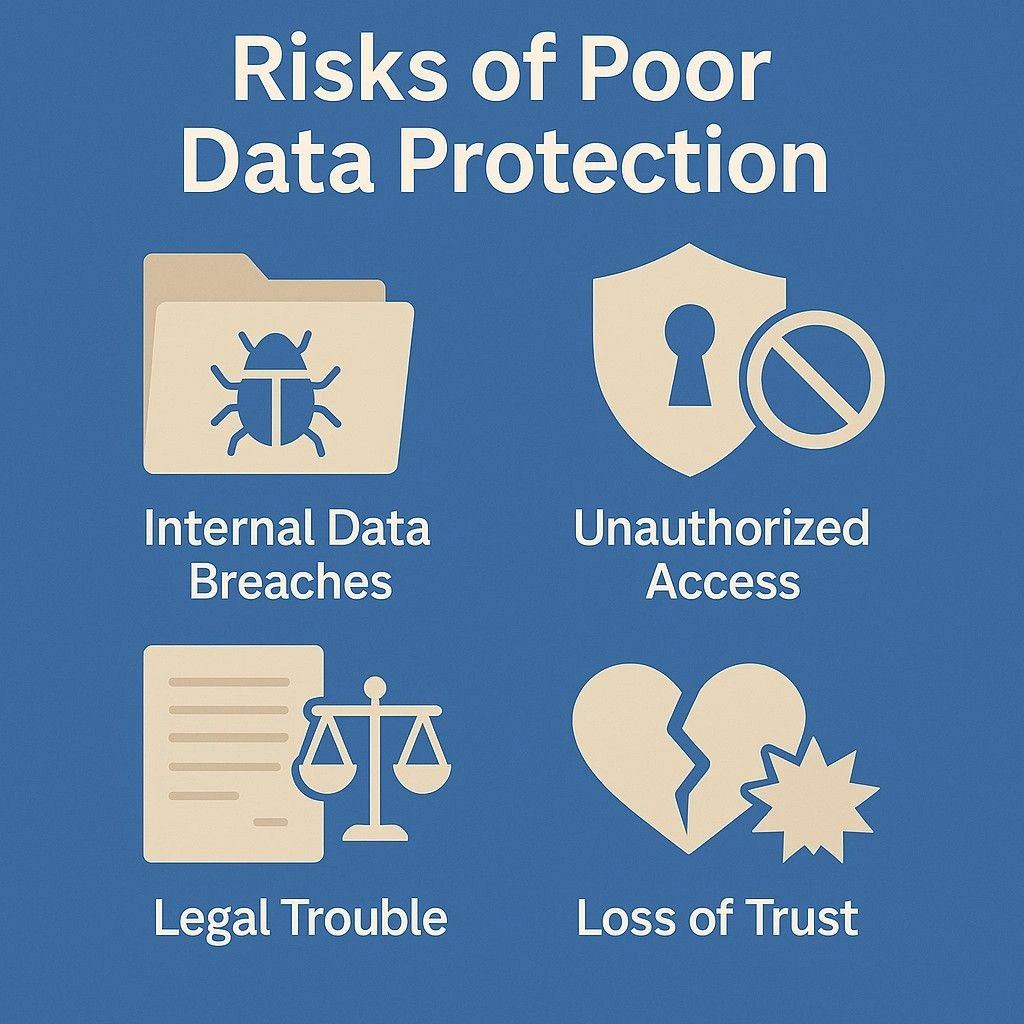
The law also makes unauthorized access, data tampering, impersonation, or disclosure a punishable offense. Trying to steal, change, or misuse the Family ID database can lead to severe penalties, including imprisonment and fines.
India’s Right to Privacy Framework:
The Supreme Court of India has affirmed that privacy is a fundamental right, meaning governments must treat personal data with respect and legitimacy. This broader legal principle supports data protection in systems like Family ID.
New Digital Data Protection Laws:
India recently enacted the Digital Personal Data Protection Act, 2023, which gives individuals clear rights over digital data, including:
1.The right to access your personal data
2.The right to correct or update incorrect information
3.The right to request deletion or withdrawal of consent
4.The right to lodge grievances ifData is breached or misused.
This law applies to digital personal data processed by both public and private entities, so Family ID data falls under this legal protection framework too.
What Rights Do You Have Over Your Own Data?
You’re not powerless. You have actual rights:
Right to Access and Correct Your Data
If something in your Family ID is wrong — like income, age, or address — you can request correction through official channels.
Right to Withdraw Consent
You can also choose to withdraw your consent for certain kinds of data processing, subject to legal requirements.
Right to File a Complaint
If your personal data is mishandled, you can complain to the appropriate authority designated under the digital data protection law.
These rights help balance convenience (like linking to welfare schemes) with your power to have Family ID Data Safe and protected.
How Family ID Data Is Stored and Encrypted
Family ID data is stored in a centralized government-managed digital system designed to keep personal information secure. This includes details such as names, Aadhaar numbers, addresses, income records, and family relationships. To reduce the risk of misuse, the data is protected through secure servers, firewalls, and controlled access systems.
Sensitive information is usually encrypted in two ways — during storage and during transmission. This means the data is protected both when it is saved in the system and when it moves between portals or departments. Encryption helps make sure that even if unauthorized access is attempted, the raw information is not easily readable.
What to Do if You Suspect Your Family ID Data Has Been Misused
If you think your Family ID data has been misused, act quickly. First, log in to the official Family ID portal and check whether any details have been changed without your knowledge. Look carefully at family member details, address, income information, and linked mobile numbers.
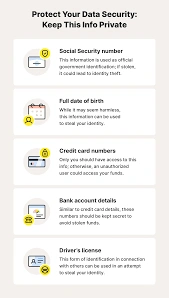
If you notice anything suspicious, report it immediately through the official grievance system, helpdesk, or nearest CSC/Saral Kendra. Carry your ID proof and any screenshots or evidence of the issue. You should also avoid sharing OTPs, passwords, or copies of personal documents with anyone unless it is through an official channel. Taking quick action can help prevent further misuse and make correction easier.
How Often Should You Check Your Family ID Data?
It is a good idea to check your Family ID data from time to time, especially after any major family or personal update. For example, you should review it after marriage, birth of a child, change of address, income update, or correction request.
Even if nothing has changed, checking your Family ID every few months can help you catch errors early. Regular checks make it easier to spot wrong information, missing members, or suspicious changes before they create problems with government schemes or benefits.
Common Misunderstandings About Family ID Data Safe and Security
Let’s clear up some confusion so you don’t over‑worry:
No system is 100% hack‑proof — but encryption, secure servers, and strict access controls make it very hard to break into or misuse.
Not true. Only specific authorized staff with legitimate purposes can access it, and the law restricts sharing beyond approved uses.
No — the law explicitly prohibits publishing or publicly displaying family data except in special, regulated scenarios.
Quick Tips to Keep Your Family ID Data Safe
Here’s how you can help protect your own information:
Frequently Asked Questions
Final Thoughts
Your Family ID stores personal information, and Family ID data safe due to strong encryption, restricted access, and data protection laws. Only authorized officials can view or update records, and citizens have legal rights to check and correct their details. These safeguards keep Family ID data safe while ensuring access to government welfare services.


