
How to Access Emergency Contact Services Through Family ID!
When we talk about safety, emergencies are never planned. What’s important is having your Emergency Contact Services connected to your identity information so help can reach you quickly when it matters most. One tool that’s becoming more useful in this area is the PPP Family ID or national identity record — a system that stores verified details about your household and family members.
In this article, I’ll explain how Family ID can help you or your loved ones during emergencies, how it works, and some practical tips to make sure you’re prepared.
What Is Family ID and Why It Matters for Emergencies
A Family ID (sometimes part of a national identity database) stores verified information about a household — names, relationships, birth dates, addresses, and contact details for each family member. Governments use these systems to identify people for services like welfare, health care, or disaster response. A strong identity system helps authorities and emergency services locate people and reach family contacts when needed.
How Family ID Can Help During an Emergency
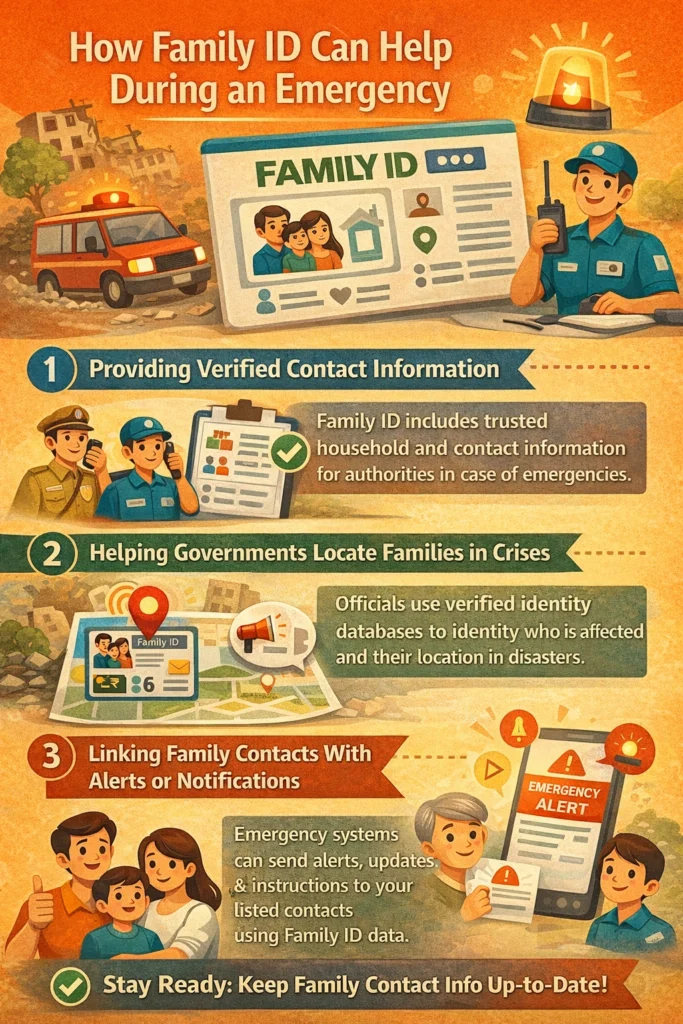
At its core, Family ID doesn’t automatically call emergency services for you. However, it makes emergency response faster and more accurate by:
Providing Verified Contact Information
Emergency responders and government systems rely on trusted contact data. Family ID systems often include verified household and contact information so authorities can know who to contact if something happens to you or a family member.
Helping Governments Locate Families in Crises
In cases of disasters or major emergencies, verified identity databases help officials understand who is affected and where families are located. Some emergency registries allow families to share their information so help can reach them more reliably.
Linking Family Contacts With Alerts or Notifications
In some digital systems, once your contact details are verified in a family database, authorities can use that information to send emergency alerts, updates, or instructions to you and your listed Emergency Contact Services.
Ways Emergency Services Use Family ID Data
Across different systems, identity data can be linked with emergency services in the following ways:
Search and Rescue Lists: After major disasters, systems may allow family members to register their names and contact details so responders can find them quickly.
Emergency Response Frameworks: Some governments use identity databases to support emergency hotlines and disaster registration systems to verify who needs help.
911/Police and Medical Access: In some local safety apps and response platforms, identity verification helps emergency services reach the right phone numbers and addresses quickly when someone calls.
How to Update Emergency Contact Details in Your Family ID
To ensure your family’s emergency contact information is up to date, follow these simple steps:
Login to Your Family ID Portal: Visit the official Haryana Family ID portal and log in using your credentials.
Select Update Family Details: Once logged in, go to the “Update Family Details” section.
Update Emergency Contact Information: Enter or update the contact information for your emergency contacts, including phone numbers and relationship to you.
Submit and Verify: After entering the necessary details, submit the form. Make sure all information is correct, as emergency responders rely on accurate data.
Save and Store the Updated Details: Once updated, save a digital and physical copy of the changes for easy access.
Benefits of Using Family ID for Emergency Contact Services
Using Family ID for emergency contact services offers several key benefits:
Who Can Access Family ID Information During Emergencies
During emergencies, the following entities can access your Family ID information:
Emergency Responders: Authorized emergency personnel, such as police, firefighters, or medical teams, may access your Family ID information to quickly locate your family and assist them.
Government Authorities: In cases of large-scale emergencies or disasters, local or national authorities may use Family ID records to track affected households and deploy assistance.
Medical Services: Health agencies or medical response teams may use your Family ID to verify health conditions and provide appropriate care during an emergency.
How to Make Sure Your Emergency Contact Services Is Ready
Since Family ID systems don’t automatically act as an SOS button, here are simple steps you can take to make them useful:
Make sure your phone number, address, and family contact information are correct in the official identity database. This helps emergency systems reach the right people when needed.
List close relatives or trusted friends as emergency contacts in any official profile that lets you do so — this could be your national ID system, health records, or other government portals.
Store a printed list of Emergency Contact Services as well as a saved list in your phone. That way, if something goes wrong, responders can access contact information even if digital systems fail.
Some regions offer dedicated safety apps that connect you directly with emergency services and allow you to share location and contact data instantly. Having your verified identity linked to these systems speeds up help.
And Also, Learn how stepchildren can be added to your Haryana PPP Family ID to ensure accurate family records.
Tips to Stay Prepared for Emergencies
Here are some helpful tips that make a big difference:
Faqs
Conclusion
Using Family ID to help with emergency contact services isn’t about automatic alerts, but about having reliable, verified information ready when it matters most. When your contact details and family information are accurate in the system, authorities and emergency responders can reach the right people quickly during crises. Updating your Family ID details, adding emergency contact services carefully, and keeping both digital and hard copies of important numbers are simple steps that give you and your loved ones peace of mind.


