
Does Family ID Still Work If You Move Out of the State
So you have your Family ID under the PPP scheme (in Haryana or Uttar Pradesh) and now you’re planning or have moved permanently to another state. You’re probably wondering: “What happens to my Family ID? Can I still use it? Do I need to apply for a new one?” Great questions. Let’s break it down in simple language.
The state-based nature of Family ID
The Family ID system (like the one under Parivar Pehchan Patra in states) is designed for families residing in that particular state (for example, Haryana). It links your household with state-level welfare schemes and data.
If you move out of state permanently, the database may flag your status as “moved out” or “non-resident” for that state’s welfare scheme eligibility. Some states have not yet fully announced how they treat out-of-state moves.
In some states, your Family ID may still exist, but your eligibility for state-specific schemes may be impacted because you may no longer be treated as a resident of that state.
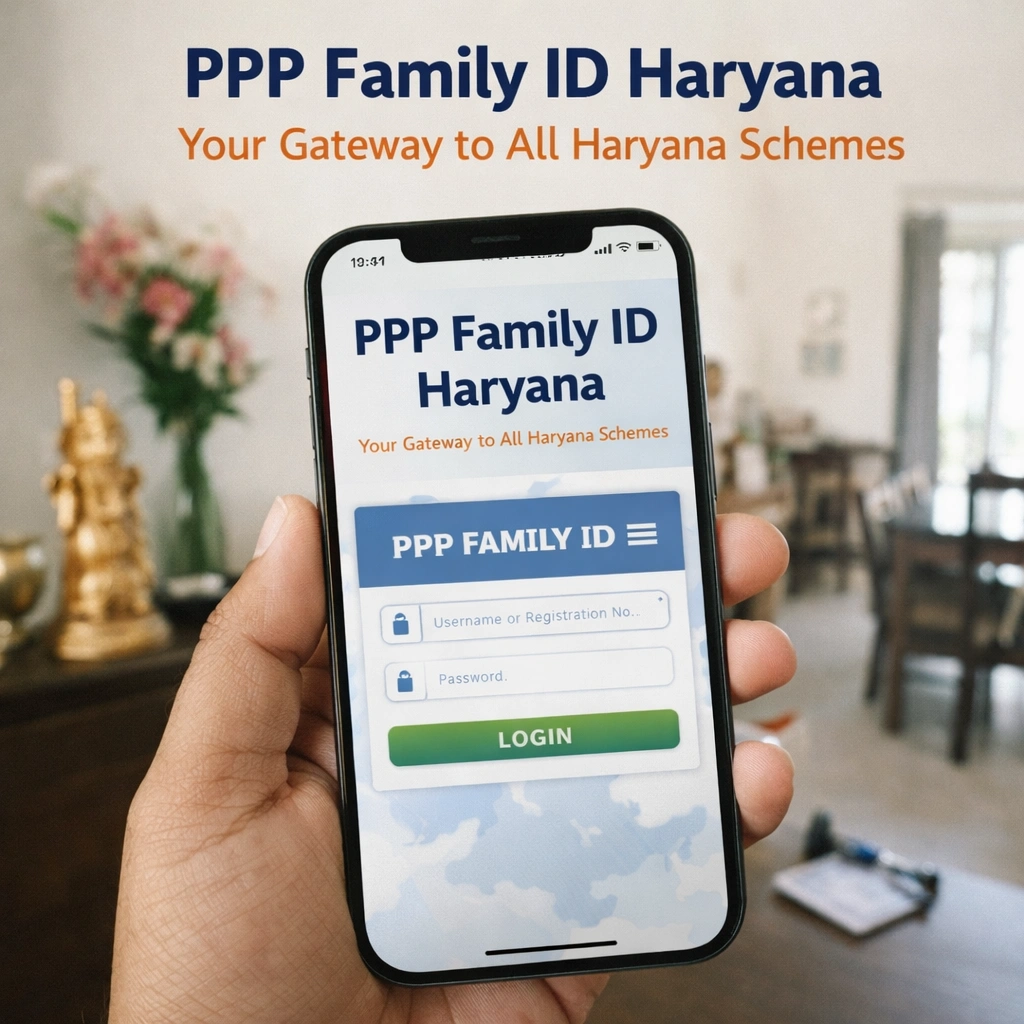
What you need to check when you relocate
update your address in your Family ID profile (if the portal allows) so the database reflects your new residence.
has a similar Family ID scheme — you may need to apply in your new state if your previous Family ID in the old state doesn’t carry over.
Family ID can be kept as a “temporary ID” or if it simply becomes invalid for scheme benefits once you change residence. If your status changes, see what to do when Family ID shows ineligible.
you were receiving (ration, pension, subsidy) depend strictly on the state of residence. If yes, moving may require you to re-register or apply in the new state.
What happens to existing benefits after moving to a new state?
If you are receiving benefits like pensions, subsidies, or ration cards from your old state, these benefits might stop once your residence is updated or flagged as “non-resident.”
You will need to reapply for such benefits in the new state, providing proof of your new address and status.
Benefits tied to your Family ID (like DBT transfers) may be temporarily delayed until your new state’s registration is complete.
Tips to make the transition smooth
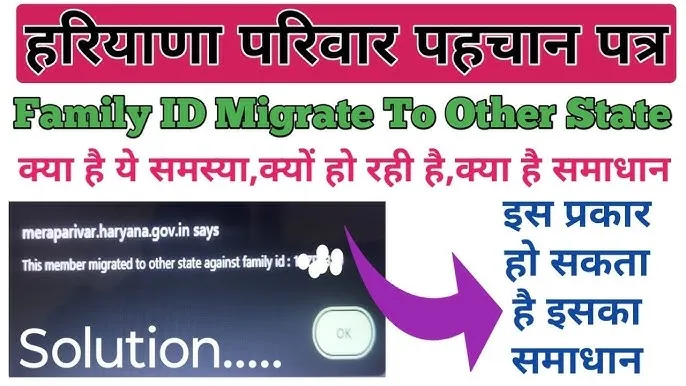
Why this matters
FAQs
Final thoughts
Moving states doesn’t mean you’re lost forever in the system — but yes, your Family ID situation changes. Think of it like changing your phone plan when you move: your old plan doesn’t automatically work at the new location, you may need to switch or re-register. So check your status, update quickly, and make sure you’re registered properly in your new state to keep accessing the benefits you’re entitled to.


