
PPP Data Guide 2026: Ration, Pension & Scholarship Benefits.
If you’ve ever wondered what happens to your PPP Data Guide after you register it, this article breaks it down in simple language. Most people only think about getting the PPP Family ID and then forget how the government actually uses the data behind the scenes to run welfare programs. Let’s talk about it like friends so you understand how it impacts you and your family.
What Is PPP Data Guide Anyway?
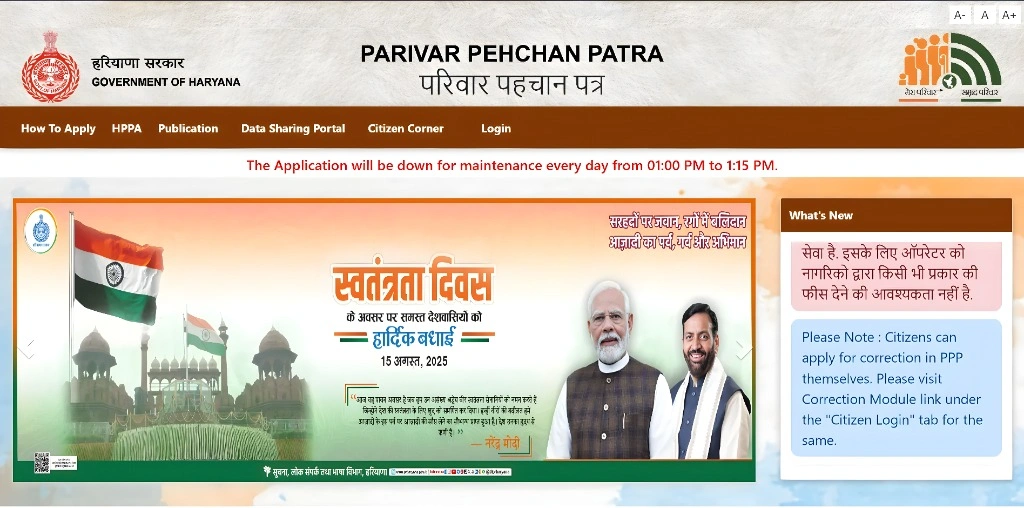
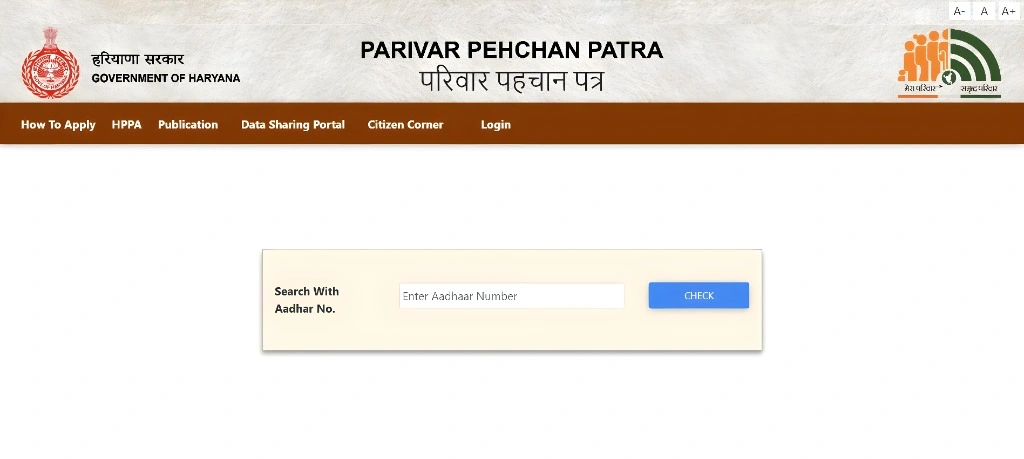
The Parivar Pehchan Patra (PPP) is a digital family database created by the Haryana government. It stores basic family details — like who lives in your household, income group, Aadhaar numbers, education details, and even social status. This wide range of information becomes the central record departments use to decide who gets what benefits.
How Government Departments Use PPP Data Guide
Ration and Public Distribution System (PDS)
The food subsidy system (ration) works by identifying eligible families and issuing food grains at subsidized rates. PPP Family ID Data Safe tells officials:
1.Who belongs in a household
2.Their economic status
3.Whether they qualify for subsidized food
This helps reduce duplicates and makes sure only eligible families get ration benefits. Using the Family ID, departments can see if your household income falls below the cutoff and flag you as eligible.
Tip: Always update income changes promptly. If your income drops but is not reflected in PPP, you might miss ration benefits.
Pensions for Senior Citizens, Widows, and Others
Several government pension schemes rely on accurate family data to decide eligibility. With PPP:
1.The system can confirm age, gender, and family details
2.It helps departments automatically determine who should receive pensions
3.Reduces paperwork because the data is centralized
4.Officials can run analytics on the PPP database to find families that match pension eligibility criteria without manual applications.
Tip: If a senior family member’s age or marital status changes, update it soon so they don’t miss pension eligibility.
Scholarships and Educational Benefits:
Scholarships often depend on family income and number of siblings studying. PPP Data Guide makes this easier:
1.It helps automatically shortlist students who may qualify
2.Reduces verification requirements because the system already has family income and composition
3.Departments can track if a student has already received a benefit to avoid duplication
This saves students from filling out multiple forms and speeds up processing.
Tip: Ensure student details like school and course information get updated so scholarship triggers work correctly.
How Analytics Helps Departments Do Better Work
Data from PPP doesn’t just sit there — it’s used in data analysis routines that make welfare delivery smarter:
Departments run analytics to see which families are eligible but not availing benefits, and which are getting benefits they shouldn’t. This helps make policy decisions and fix gaps.
If the government sees many families in one area eligible for pensions but few receiving them, they can plan outreach camps, awareness drives, or special assistance programs.
Tracking Life Events Automatically
Births, deaths, marriages, and income changes all affect benefit eligibility. Because PPP is supposed to reflect these changes, departments use this updated data to automatically adjust eligibility for:
This leads to fewer mismatches and real‑time benefit adjustments.
Why This Matters to You
Lots of people don’t realize that PPP Data Guide isn’t just a number — it’s the foundation for how the government decides who gets a benefit. If any detail in your PPP profile is outdated or incorrect:
You might lose access to the ration subsidy
A pension application could be delayed or rejected
Scholarship eligibility might not trigger automatically
You could be counted as ineligible even if you qualify
That’s why keeping your PPP Data Guide accurate and up‑to‑date is one of the best ways to make sure your family gets what it’s entitled to.
Common Mistakes People Make With PPP Data
Here are a few repeat Family ID Mistakes that skew how departments use your data:
— this can wrongly classify your eligibility.
— missing or extra members can distort benefit eligibility.
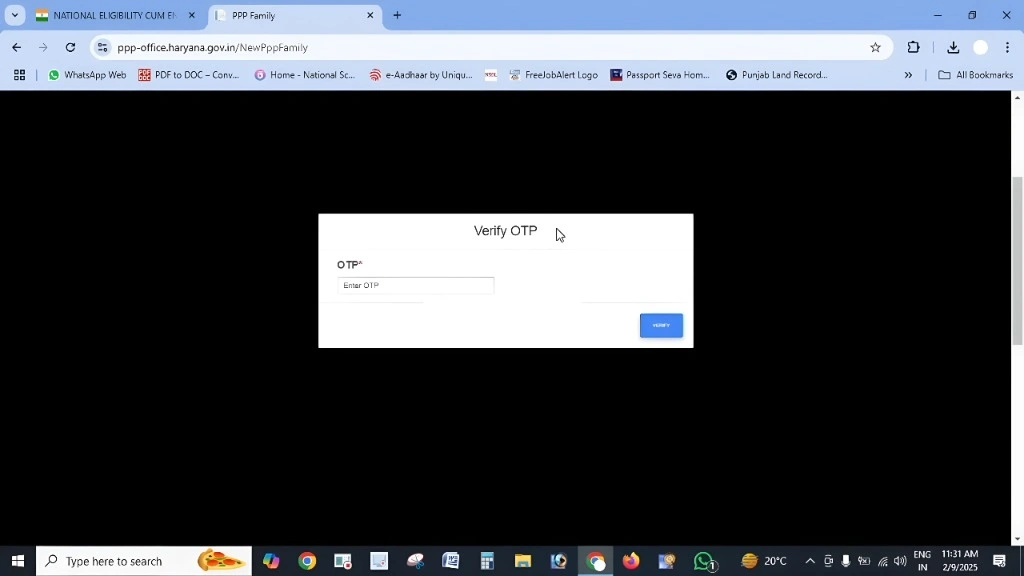
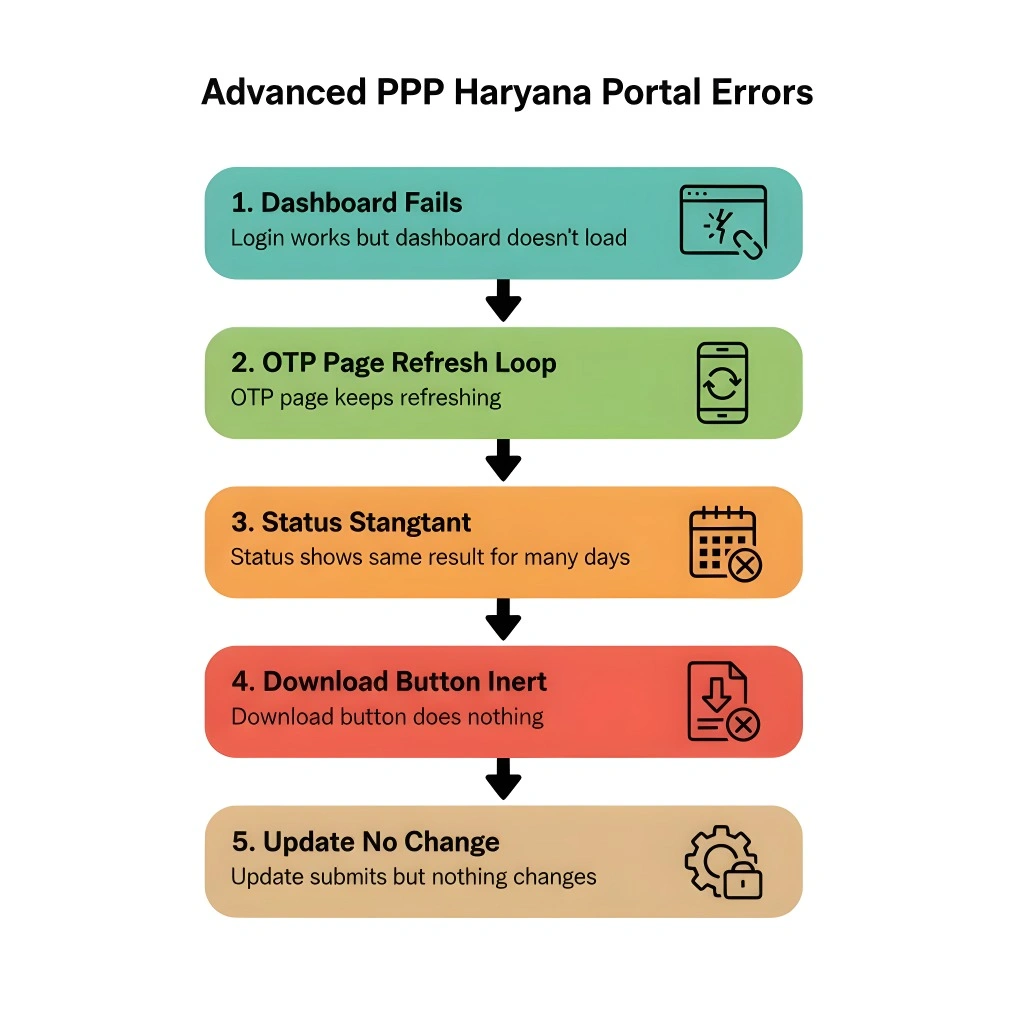
— OTPs fail, updates don’t go through.
— small errors snowball into benefit denial later.
Tip: Review your PPP Data Guide every year or after any family event.
Quick Tips to Make the Most of PPP
These simple steps can keep your benefits flowing smoothly.
Frequently Asked Questions
Final Thoughts
PPP Data Guide isn’t just a filing system — it’s a data analytics engine behind ration distribution, pension delivery, scholarship selection, and other key welfare services. When you keep your Family ID accurate, you help the system work better for you and everyone else.


